Key takeaway:
• A performing arts centre provides structured space for dance, theater, and music instruction that classrooms and home settings cannot replicate.
• Facilities combining studio design, trained instruction, and performance opportunities support measurable gains in discipline, coordination, and confidence.
• Families in Piscataway, NJ have access to structured training environments without needing a facility located within town limits.
A performing arts centre functions as a dedicated training and performance facility where students develop technical skill, stage presence, and artistic discipline under qualified instruction. Unlike general-purpose studios, a Performing Arts Centre typically integrates multiple program tracks, including dance, music, and theater, within purpose-built spaces designed for movement and sound. This structure allows students to progress through skill levels while gaining exposure to recital and performance settings that reinforce classroom learning.
The value of these facilities extends beyond entertainment. Structured arts education has been linked to improved focus and social-emotional development in children and adolescents, according to research summarized by the National Endowment for the Arts. For families weighing enrichment options, understanding what a performing arts centre actually provides helps clarify why these spaces remain relevant.
What Distinguishes a Performing Arts Centre From a General Studio
A performing arts centre is built around infrastructure that supports both training and public performance, not just private lessons.
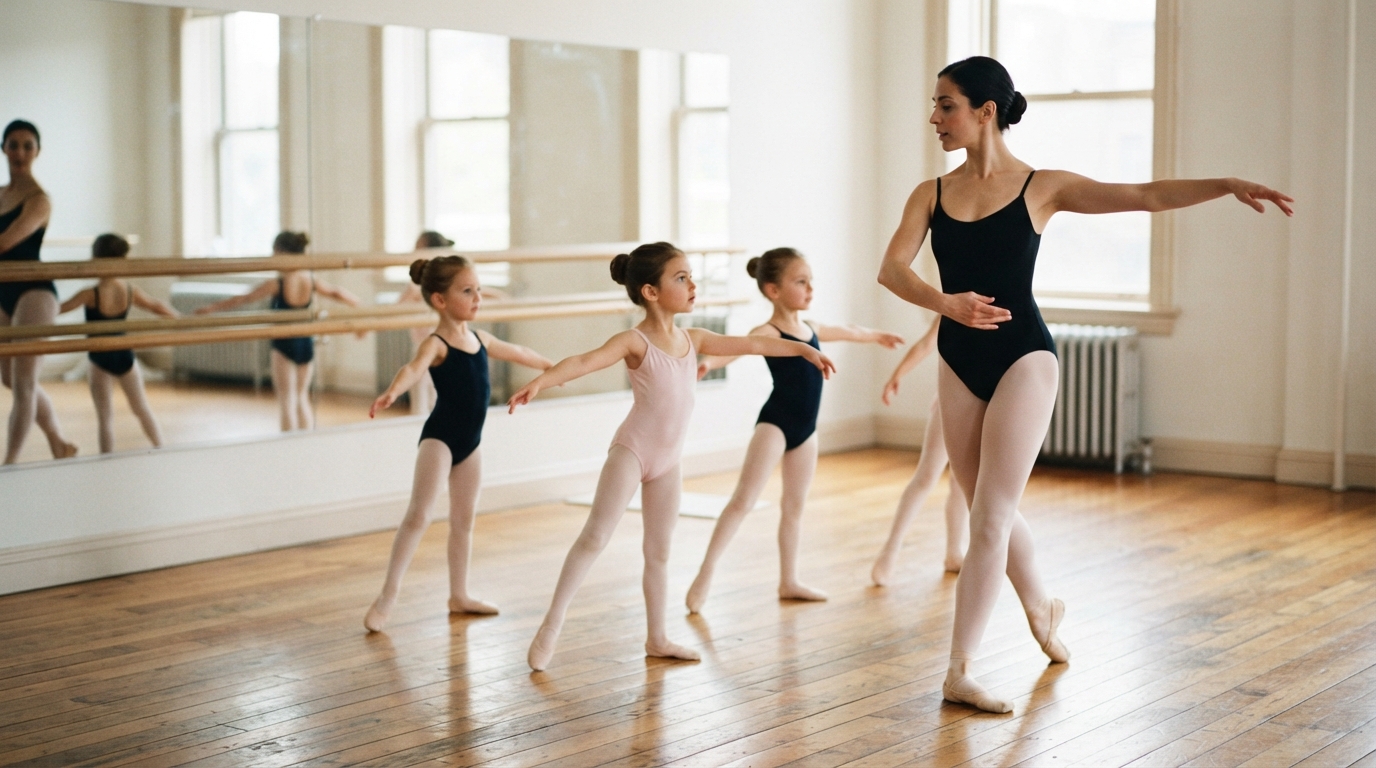
• Dedicated studio floors with sprung flooring to reduce injury risk during dance instruction.
• Mirrored walls and barres for technique correction across multiple dance disciplines.
• Space allocation for recitals, showcases, or recorded performances.
• Age-segmented class structures that separate beginner, intermediate, and advanced students.
These features matter because they directly affect safety and skill retention. A studio without proper flooring, for instance, increases strain on joints during repetitive jumps or turns, a concern noted in dance injury prevention literature.
Core Program Areas Found at Performing Arts Facilities
Programs at an established performing arts centre generally fall into a few recognizable categories, each targeting a different skill set and age range.
1. Dance instruction covering styles such as ballet, tap, jazz, hip hop, and contemporary, often structured by age or skill tier.
2. Technique-based training focused on alignment, flexibility, and musicality rather than choreography alone.
3. Performance preparation , including rehearsal time for recitals or showcases that give students a defined goal to work toward.
4. Beginner and introductory classes designed for younger children or first-time students entering formal training.
This tiered approach allows students to move from foundational movement skills toward more advanced technical work without skipping developmental stages.
Why Structured Training Environments Matter for Piscataway, NJ Families
Families in Piscataway, NJ searching for enrichment programs often weigh convenience against program quality. A facility does not need to sit within town limits to serve residents effectively, provided travel distance remains reasonable and class scheduling accommodates school-age students. What matters more is whether the facility maintains consistent instructor qualifications, appropriate class sizes, and a performance calendar that gives students a reason to apply what they learn.
Parents evaluating options should also consider how a facility handles skill progression. Programs that move students forward based on demonstrated ability, rather than age alone, tend to produce more consistent technical outcomes over multiple years of enrollment.
Comparing Training Formats
| Format | Structure | Best Fit |
| Private lessons | One-on-one instruction | Students needing individualized correction |
| Group class at a performing arts centre | Multi-student, instructor-led | Students building technique alongside peers |
| Drop-in or recreational class | Low commitment, flexible schedule | Casual participants exploring interest |
| Competitive or performance track | Structured rehearsal and showcase prep | Students pursuing advanced skill development |
Each format serves a different goal, and many students transition between them as interest and ability develop over time.
Frequently Asked Questions
What age should a child start at a performing arts centre? Most programs accept students beginning around age three for introductory movement classes, with more structured technique training typically starting around age five or six.
Do performing arts centres only teach dance? Program offerings vary by facility; some focus exclusively on dance disciplines, while others incorporate music or theater components alongside movement-based instruction.
How is a performing arts centre different from a recreational studio? A performing arts centre generally offers tiered skill progression, dedicated performance opportunities, and purpose-built studio infrastructure, whereas recreational studios may focus on casual, drop-in participation.
Business Information and Further Reading
Based in South Plainfield, NJ, Jo-Ann’s Dance Studio-The Performing Arts Centre serves customers across Piscataway, NJ.
Program structure and class information for Read More About Jo-Ann’s Dance Studio-The Performing Arts Centre are available for review by families planning enrollment.