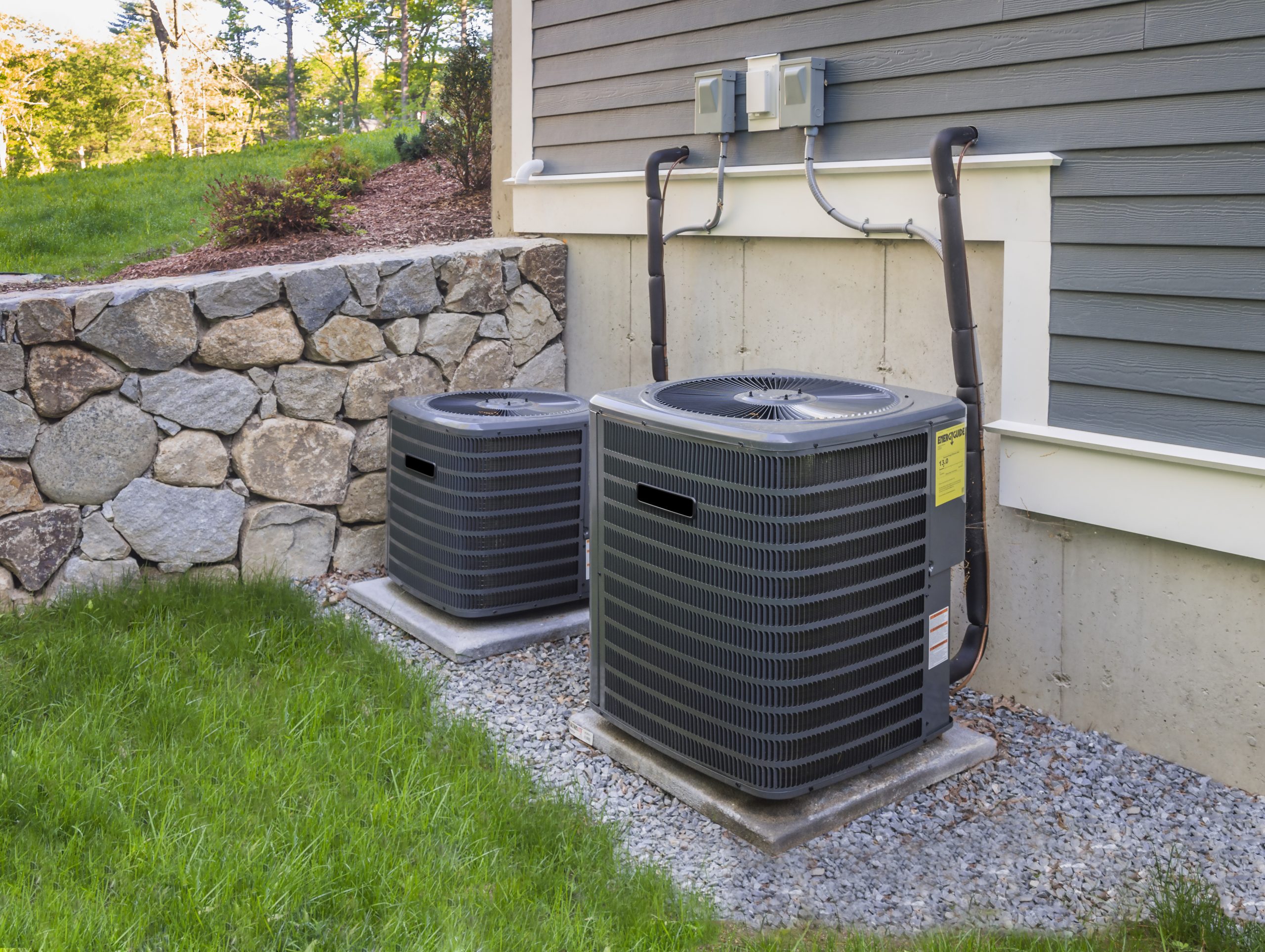
Existing ductwork should be evaluated before a new HVAC installation because the ducts must be able to distribute conditioned air properly for the new equipment to perform as intended. Leaks, damaged sections, airflow restrictions, poor sizing, inadequate return air, or other duct conditions can undermine comfort and performance even when the new heating and cooling equipment itself is properly installed.
Replacing HVAC equipment can be a major improvement for a home or commercial property, but the equipment is only one part of the overall heating and cooling system. The duct network connects that equipment to the rooms it serves.
For property owners in Chandler, AZ, evaluating existing ducts before installation can help determine whether they can continue serving the building effectively or whether repairs, modifications, or replacement should be considered as part of the project.
What Role Does Ductwork Play in an HVAC System?
Ductwork acts as the distribution network for many central heating and cooling systems.
Supply ducts carry conditioned air from the HVAC equipment to different areas of a building. Return ducts move air back toward the equipment so the heating or cooling cycle can continue.
That means a new air conditioner, heat pump, furnace, or air handler cannot be considered entirely separately from the ducts attached to it.
A system may generate conditioned air correctly while still struggling to produce consistent comfort if that air cannot move through the building as intended.
This is one reason duct evaluation should be part of the planning conversation before an HVAC installation service is completed.
Can Existing Ductwork Be Reused With a New HVAC System?
In many situations, existing ductwork may be reusable. Replacing HVAC equipment does not automatically mean every duct in the building needs to be replaced.
The important question is whether the existing duct system remains appropriate for the new equipment and the property’s current needs.
Factors that may need to be considered include:
- Physical condition of accessible ductwork
- Air leakage
- Duct sizing
- Supply and return airflow
- Insulation condition
- Damaged or disconnected sections
- Restrictions that interfere with airflow
- Distribution to different rooms or zones
- Compatibility with the planned HVAC equipment
An evaluation helps separate ductwork that can continue functioning properly from sections that may need attention.
Automatically replacing all ducts can create unnecessary work, while automatically keeping all existing ducts can allow old problems to remain. The decision should be based on the actual condition and design of the system.
Why Does Duct Size Matter Before New Equipment Is Installed?
HVAC equipment and ductwork need to function as a connected system.
Ducts that are not appropriate for the airflow requirements of the equipment can contribute to performance and comfort problems. The issue is not simply whether air can move through the ducts at all, but whether it can move in the way the system requires.
This becomes particularly relevant when replacing older equipment with a different system.
A new unit may have different operating characteristics from the equipment it replaces. Assuming that an existing duct layout will automatically work well with new equipment can overlook an important part of installation planning.
Proper evaluation allows a technician to consider the equipment and air distribution system together instead of treating them as unrelated components.
How Can Duct Leaks Affect a New HVAC System?
A duct leak allows some conditioned air to escape before reaching its intended destination.
Depending on where the ductwork is located, that can mean cooled or heated air is lost into spaces where it provides little or no benefit to occupants.
Leaks can develop at joints, connections, damaged sections, or other areas of the duct network.
For homeowners, the effects may appear as comfort problems rather than an obvious duct failure. One room might seem harder to cool, airflow may feel inconsistent, or the HVAC system may need to operate longer to satisfy the thermostat.
That can create confusion because a property owner may expect new equipment to correct every previous comfort problem. If the underlying problem involves air distribution, changing the heating or cooling unit alone may not resolve it.
What Is the Connection Between Ductwork and Airflow?
Airflow is essential to HVAC operation.
The equipment conditions air, but the duct system determines how that air travels through many homes and commercial buildings.
Restrictions, damaged ducts, poorly configured sections, or inadequate return pathways can interfere with that movement.
Homeowners may notice possible airflow concerns when:
- Some vents produce noticeably less airflow than others
- Certain rooms consistently feel warmer or cooler
- The system appears to run but comfort remains uneven
- Air movement seems weaker than expected
- Particular areas are consistently difficult to condition
These symptoms do not prove that ductwork is the cause. HVAC system repair issues, equipment conditions, filters, controls, and other factors can sometimes produce similar complaints.
That is why evaluation matters. The objective is to determine what is actually contributing to the problem rather than assuming that every comfort issue originates with the equipment.
Why Is Return Air Important?
Supply airflow often receives most of the attention because it is easy to feel conditioned air coming through a vent. Return airflow is equally important to the system’s operation.
Return ducts bring air back toward the HVAC equipment.
If the return side of the system cannot move enough air, performance can be affected even when supply ducts appear to be in reasonable condition.
Can Old Duct Problems Remain After New Equipment Is Installed?
Yes. Replacing HVAC equipment does not automatically repair unrelated problems elsewhere in the system.
Imagine a home with an aging cooling system and one room that has consistently been harder to keep comfortable than the rest of the house.
The property owner replaces the HVAC equipment.
If the temperature imbalance was caused primarily by a damaged, restricted, or poorly configured duct serving that room, the new equipment may not eliminate the original problem.
How Can Ductwork Affect Indoor Air Quality?
Ductwork can also be relevant to Indoor Air Quality because it forms part of the pathway through which air moves around a building.
Damaged or poorly sealed ducts may allow unwanted particles from surrounding areas to enter the air distribution system under certain conditions. Duct insulation and moisture-related conditions can also warrant attention when there are visible signs of deterioration or damage.
However, indoor air quality is a broad subject.
Dust inside a home does not automatically prove that the ducts are leaking, and an air quality concern should not be diagnosed from one symptom alone. Filtration, ventilation, humidity, housekeeping conditions, outdoor contaminants, and other factors may also influence indoor conditions.
Does New HVAC Equipment Fix Uneven Room Temperatures?
Not necessarily.
Uneven temperatures can have several causes, including building characteristics, solar exposure, insulation, airflow, duct conditions, equipment performance, and other variables.
New equipment may improve comfort when the old system itself is the primary problem. But if poor air distribution contributes to the temperature imbalance, the duct network may require attention as well.
One consistently receives strong airflow while the other receives noticeably less. Replacing the air conditioner may improve overall cooling capacity, but it does not automatically explain or correct why air is distributed differently between those rooms.
What Should Be Checked During a Ductwork Evaluation?
The exact evaluation depends on the property and HVAC system, but several areas may be relevant.
Visible Duct Condition
Accessible duct sections can be checked for deterioration, disconnected areas, obvious damage, or other physical concerns.
A disconnected duct, for example, can prevent conditioned air from reaching the intended area effectively.
Connections and Sealing
Connections between duct sections and HVAC components should be considered because unwanted leakage can affect air distribution.
Airflow
Existing airflow concerns may provide clues about restrictions, sizing, duct configuration, or other system conditions.
Supply and Return Configuration
Both supply and return pathways are important. Looking at the complete airflow path provides a more useful picture than evaluating only one side.
Insulation
Duct insulation can be particularly important when ducts travel through areas exposed to temperatures different from the conditioned interior.
Damaged or inadequate insulation may affect thermal performance.
Existing Comfort Problems
The history of the building matters.
Homeowners should mention rooms that have consistently been difficult to heat or cool, noticeable airflow differences, persistent temperature imbalances, and other recurring comfort concerns before new equipment is installed.
These observations can help guide the evaluation.
Does Every Duct Issue Require Complete Replacement?
No.
Duct problems vary considerably in scope.
A limited problem may involve a damaged connection or an individual section that can be repaired. Other systems may need sealing, modifications, or adjustments.
More extensive deterioration, poor configuration, significant sizing concerns, or widespread damage can lead to a different recommendation.
A property owner should not assume that an HVAC replacement always requires new ductwork, but they also should not assume old ducts are automatically suitable simply because they are already installed.
Why Evaluate Ductwork Before Installation Instead of After?
Timing matters.
Evaluating ducts before installation allows equipment planning and air-distribution considerations to happen together.
If a significant duct issue is discovered only after the new equipment is operating, additional work may be required to address a condition that could have been identified earlier.
Pre-installation evaluation can also help establish realistic expectations.
If an old comfort problem is connected to ductwork, discussing it before the equipment replacement helps distinguish between what the new HVAC unit is expected to improve and what may require separate duct corrections.
What Should Homeowners Tell Their HVAC Contractor?
Property owners do not need to know duct dimensions or airflow calculations before speaking with a contractor.
Instead, they can provide practical observations.
Mention:
- Rooms that have historically been difficult to cool or heat
- Areas with noticeably weak airflow
- Major temperature differences between rooms
- Previous duct repairs
- Visible damaged or disconnected ductwork
- Unusual duct noises
- Known additions or remodeling that changed the building layout
- Recurring dust or air-distribution concerns
- Any previous HVAC system repair related to airflow
This history can provide useful context during installation planning.
For Chandler homeowners, it can be particularly helpful to discuss comfort problems that become more noticeable during periods of sustained cooling demand rather than waiting until after new equipment is installed.
Ductwork and HVAC Equipment Should Be Considered Together
An HVAC installation is not simply a matter of removing one piece of equipment and putting another in its place.
The equipment has to work with the rest of the heating and cooling system, and existing ductwork is a major part of that relationship.
Evaluating ducts before installation can help identify leakage, airflow limitations, damaged sections, return-air concerns, insulation issues, or other conditions that might otherwise remain hidden behind the excitement of installing new equipment.
About J&N HVAC LLC
J&N HVAC Services serves residential and commercial HVAC needs from its Chandler, Arizona location, with services that include installation, repair, maintenance, ductwork, heating, cooling, and indoor air quality solutions. Their website identifies their technicians as certified and background-checked, and customers can reach the company at 602-377-3467 or find their office on Google Maps.