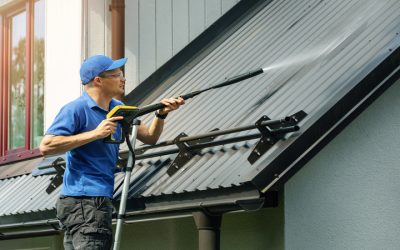
Concrete can look uneven after pressure washing because cleaning removes surface buildup and exposes differences that were already present in the slab. Moisture, age, repairs, stains, wear, surface texture, and previous treatments can all make one section look lighter or darker than another even after the dirt is gone.
For property owners in Phoenix, seeing uneven color immediately after a concrete-cleaning project can be confusing. A driveway or patio may look much cleaner overall while still showing patches, lines, or sections that do not match perfectly.
Why Can Concrete Look Patchy Right After It Is Washed?
One of the simplest explanations is moisture.
Concrete does not always dry at exactly the same rate across an entire surface. A shaded section may remain damp longer than an area receiving direct sunlight. Cracks, joints, low spots, and more porous sections can also hold moisture longer.
Because wet concrete usually appears darker, the slab can look uneven while it is drying.
For example, a Phoenix driveway may receive direct afternoon sun on one side while the portion closest to the garage remains shaded. The sunny section may dry quickly and become noticeably lighter while the shaded area remains dark.
Does Pressure Washing Change the Actual Color of Concrete?
Proper cleaning is intended to remove surface contamination rather than recolor the concrete.
However, removing dirt can reveal the concrete’s actual condition underneath.
An outdoor slab may have accumulated years of:
- Dust
- Soil
- Tire residue
- Vehicle fluids
- Organic debris
- Irrigation residue
- General traffic grime
Before cleaning, that buildup may create a relatively uniform layer of discoloration. Once the dirt is removed, differences within the underlying concrete can become easier to see.
One part of a driveway may have weathered more than another. An older repaired section may be a different shade. Concrete beneath a parked vehicle may have experienced less sun exposure than surrounding areas.
Why Do Old Repairs Become More Visible After Cleaning?
Concrete repairs often age differently from the original slab.
A patch applied years after the surrounding concrete was poured may have a different mixture, texture, finish, or color. When both surfaces are covered with dust and grime, that difference may be less noticeable.
Common examples include:
Crack Repairs
Filled cracks may have a different texture or color from the original concrete.
Patched Areas
A section repaired after damage may not match the surrounding slab exactly.
Added Concrete
A driveway extension, walkway addition, or replaced section may have been poured at a different time.
Previous Surface Work
Grinding, resurfacing, sealing, or spot treatment can affect how sections of concrete weather.
Cleaning cannot make two physically different concrete surfaces identical.
This is an important expectation when considering pressure washing services for older residential or commercial properties.
Can Years of Sun Exposure Cause Uneven Concrete Color?
Yes.
Outdoor concrete does not experience identical exposure across every square foot.
One area may receive direct sunlight for most of the day, while another stays shaded by the building, a wall, landscaping, or parked vehicles.
The concrete beneath the parked car may have been protected from some direct sun, dust, weather, and irrigation. After the entire driveway is cleaned, that protected section may look different from the constantly exposed areas around it.
The difference is part of the concrete’s history, not necessarily a cleaning defect.
Why Can Tire Paths Still Look Different After Cleaning?
Driveways experience concentrated vehicle traffic.
Cars typically follow nearly identical paths when entering and leaving a property. Tires repeatedly travel over the same strips of concrete, while the center and edges of the driveway may receive much less contact.
This can create visible traffic lanes.
Those areas may contain:
- Rubber transfer
- Road grime
- Oil residue
- Embedded dirt
- Surface wear
Cleaning can remove appropriate surface buildup, but years of repeated vehicle movement may leave the most frequently used sections looking somewhat different from areas that receive little traffic.
This is also why a driveway should be evaluated as a complete surface rather than judging one dark or light strip in isolation.
Can Old Stains Remain After Pressure Washing?
Yes.
Pressure washing can remove many types of surface dirt and buildup, but not every discoloration is simply loose contamination.
Imagine a driveway covered with a general gray layer of dust and grime. A dark oil stain may blend into that dirty background.
After the surrounding concrete is washed, the slab becomes lighter while the oil discoloration remains. The stain may now appear more obvious even though the overall surface is significantly cleaner.
Why Does Surface Texture Matter?
Different areas may have slightly different finishes or textures based on how the slab was poured, finished, repaired, or worn over time.
This is one reason experienced power washing services should consider the physical condition of a surface rather than treating all concrete as identical.
The same cleaning process can produce different visual results across sections that differ in texture, porosity, wear, or previous treatment.
Can Incorrect Pressure Create Visible Cleaning Lines?
Yes. Uneven technique can sometimes contribute to visible striping.
A pressure washer concentrates water into a powerful cleaning stream. If that stream is held too close to the surface, moved inconsistently, or repeatedly focused on one location, the operator may create visible differences.
Potential signs can include:
- Narrow bright lines
- Overlapping stripes
- Noticeably lighter patches
- Etched-looking sections
- Inconsistent cleaning patterns
These patterns are different from natural color variations in the concrete itself.
This is one reason more pressure is not automatically better.
Concrete may appear durable, but aggressive or inconsistent cleaning can alter its surface appearance. Equipment choice, distance, movement, and cleaning method all matter.
Property owners unfamiliar with pressure-washing equipment should be especially cautious about experimenting with maximum pressure on one stubborn spot.
Why Is Professional Equipment Often More Consistent?
Cleaning a large driveway or patio evenly requires more than aiming a narrow spray at individual dirty areas.
A professional pressure washing company may use equipment and techniques intended to provide more consistent cleaning across broad areas rather than treating every stain independently.
For Phoenix properties, appropriate Power washing services can address driveways, sidewalks, patios, and other exterior surfaces while accounting for the condition and type of buildup present.
Even with professional cleaning, however, the finished concrete may still show natural variation caused by age, repairs, stains, texture, or exposure.
How Can Previous Sealers or Coatings Affect Appearance?
Concrete may have been treated at some point in its history.
Sealers, coatings, paints, stains, and other surface products can wear unevenly.
High-traffic areas may lose a coating faster than protected sections. Sun exposure can affect one side more heavily. Previous spot repairs may also contain different products.
A homeowner who did not own the property when the concrete was installed may not even know that a previous treatment was applied.
Clues can include:
- Glossy areas next to dull areas
- Flaking or peeling sections
- Differences around former furniture locations
- Visible roller or application patterns
- Sections that absorb water differently
Cleaning should not be expected to recreate a uniform coating that has already worn unevenly.
Can Landscaping Create Uneven Concrete Discol
Sprinklers may repeatedly wet one portion of a patio or sidewalk. Tree canopies can shade sections and drop organic debris. Soil may wash onto one edge during irrigation or storms.
Nearby plants can also create recurring areas of moisture and debris.
A walkway beside a planting bed may therefore develop darker edges while the center remains relatively clean.
Why Do Expansion Joints and Edges Look Different?
Concrete slabs contain joints, borders, cracks, and edges where debris can collect.
These recessed locations can hold dirt longer than broad flat areas.
Water may also remain in joints after cleaning, making them appear darker while nearby concrete dries.
Should Concrete Be Completely Uniform After Cleaning?
Not necessarily.
A realistic goal for pressure washing is to remove appropriate surface contamination and improve the overall cleanliness of the concrete.
Concrete may retain evidence of:
- Age
- Weathering
- Repairs
- Permanent staining
- Different pours
- Surface wear
- Previous coatings
- Vehicle traffic
- Landscaping exposure
These characteristics remain part of the material after the dirt has been removed.
Property owners should distinguish between a surface that is still dirty and a clean surface that naturally contains color variation.
How Long Should Concrete Dry Before Judging the Results?
The amount of drying time varies according to weather, shade, humidity, surface porosity, and how much water the concrete absorbed.
Instead of relying on an exact number of hours, it is better to wait until the slab appears fully dry before making a final comparison.
Check areas that receive less sunlight, especially near garage doors, walls, covered patios, landscaping, and joints.
What Should You Do If Uneven Areas Remain?
Start by identifying the pattern.
Random natural variations may indicate age or porosity. A rectangular area may correspond with an old repair or object that once covered the slab.
Understanding the pattern helps determine whether anything actually needs to be corrected.
If there is concern that improper washing changed the surface itself, repeatedly cleaning the same area with more pressure is usually not the best response.
A Cleaner Surface Can Reveal the Concrete’s Real Condition
Concrete sometimes looks uneven after pressure washing because years of dirt can hide the differences already present beneath the surface. Once that buildup is removed, variations caused by moisture, stains, repairs, wear, texture, traffic, and previous treatments may become easier to see.
For Phoenix property owners, the most useful expectation is straightforward: good cleaning should address removable buildup while respecting the condition of the surface underneath. When concrete is older, repaired, stained, or exposed to different conditions across the property, a perfectly uniform finish is not always a realistic measure of whether the cleaning was successful.
About Super Clean Bros
The super clean bros provides exterior cleaning services for residential and commercial properties, including pressure washing, window cleaning, and turf cleaning. Property owners can learn more about their services online or Find their office on Google Maps.