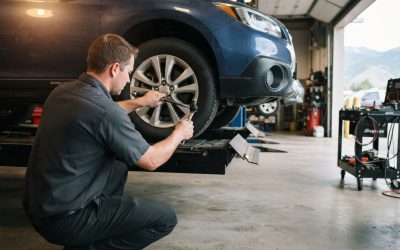
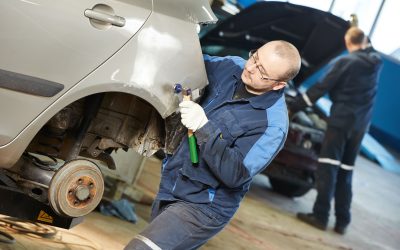
A car may make noise only during the first few minutes of driving because temperature, fluid circulation, belt condition, brakes, exhaust components, or other mechanical parts can behave differently when the vehicle is cold. Some brief changes in sound can be harmless, but a new, worsening, or persistent noise should be investigated rather than assumed to be normal.
The timing of a noise is often one of the most useful clues when diagnosing it. A squeal that disappears after one minute may point a technician in a different direction than a grinding noise that occurs only while braking or a ticking sound that fades as the engine reaches operating temperature.
Drivers do not need to identify the failed part themselves. Describing exactly when the noise starts, where it seems to come from, and what makes it stop can make an auto repair diagnosis more efficient.
Why Does Temperature Change the Way a Car Sounds?
Vehicle components operate across a wide range of temperatures. After a vehicle sits overnight, especially during colder weather, its engine oil, belts, rubber components, exhaust system, brakes, and metal parts are all starting from ambient temperature.
Once the vehicle is running, several things begin changing at once.
Engine oil starts circulating. Metal components heat and expand. Rubber belts become warmer and more flexible. Moisture can begin evaporating. Brake components warm through use.
These changes explain why some sounds are most noticeable immediately after startup and then become quieter.
What Does a Squealing Noise During the First Few Minutes Mean?
A high-pitched squeal can have several possible causes.
One area an auto mechanic may consider is the vehicle’s belt system. Serpentine belts transfer power from the engine to various accessories, and their condition and tension can influence how they operate.
Cold temperatures can affect rubber components, and a worn belt or related component may become more noticeable shortly after startup.
A driver might hear the sound:
- immediately after starting the engine;
- when accelerating away from a stop;
- when electrical or climate-control loads change;
- or during the first few minutes before the vehicle warms.
The presence of a squeal does not identify the exact component. Belt condition, pulleys, tensioners, and other parts may need to be considered.
If the sound becomes louder, lasts longer than before, or begins occurring even when the vehicle is warm, inspection becomes more important.
Why Might the Engine Tick Briefly When Cold?
A ticking sound shortly after startup can sometimes be associated with the time it takes engine oil to circulate through components.
Engine oil performs several important functions, including reducing friction and helping protect moving engine parts. Oil behaviour changes with temperature, which is why manufacturers specify particular oil viscosities and service requirements for their engines.
Important questions include:
- Is the engine oil at the correct level?
- Is the proper oil specification being used?
- Is the vehicle due for service?
- Does the sound disappear completely?
- Has the noise changed recently?
Following the vehicle manufacturer’s oil specifications and service schedule is more reliable than applying one universal interval or oil type to every car.
Can Brakes Make Noise Only at the Beginning of a Drive?
Yes.
Brake noise can sometimes be most noticeable during the first few stops, particularly after a vehicle has been parked for an extended period.
Moisture can form on exposed brake components, especially in damp conditions. Light surface oxidation may develop on brake rotors while a vehicle sits, and the first applications of the brakes can sometimes sound different as the surfaces make contact.
That does not mean every temporary brake noise is harmless.
Transport Canada advises drivers that unusual squealing or grinding, changes in brake-pedal feel, or pulling during braking may indicate that the brakes require attention.
A brief sound that disappears after a few normal stops presents a different situation from:
- continuous grinding;
- severe squealing;
- vibration while braking;
- reduced braking response;
- a soft or unusual brake pedal;
- or pulling to one side.
Those symptoms deserve prompt inspection.
Why Can the Exhaust Sound Different When a Vehicle Is Cold?
Exhaust systems experience significant temperature changes.
When an engine first starts, exhaust components may be close to outside temperature. As hot exhaust gases begin flowing through the system, metal components gradually warm and expand.
Small changes in sound during that process can occur.
Condensation is another consideration. Water is a normal by-product of combustion, and moisture can accumulate within parts of the exhaust system under certain operating conditions. Short trips may not always allow the exhaust to remain hot long enough for accumulated moisture to fully evaporate.
However, unusually loud exhaust noise, persistent rattling, or suspected leaks should be taken seriously.
What Can Cause a Rattle That Disappears After Warming Up?
A rattle can come from many different areas, which makes it one of the harder automotive sounds to diagnose from description alone.
Possible sources can include components that are loose, worn, vibrating, or changing slightly as they warm.
Examples may include:
- exhaust shields or exhaust components;
- brackets or fasteners;
- belt-drive components;
- suspension-related parts;
- or other components affected by engine vibration.
The location and circumstances matter.
A rattle heard while the vehicle is stationary points technicians toward different possibilities than one that appears only when driving over bumps. Likewise, a noise linked directly to engine speed provides a different clue from one linked to road speed.
This is why a thorough description can be more useful than simply saying, “My car rattles.”
Does a Noise That Goes Away Mean the Problem Is Gone?
No.
A symptom disappearing after several minutes does not necessarily mean its cause has disappeared.
Heat can change clearances between metal components, alter belt flexibility, change fluid behaviour, and dry moisture from brake surfaces. A developing problem may therefore become quieter as operating conditions change.
Drivers should pay particular attention when a noise:
- is new;
- occurs more frequently;
- lasts longer over time;
- becomes louder;
- returns after every cold start;
- is accompanied by vibration;
- affects steering or braking;
- or appears with a dashboard warning.
Those patterns provide useful information during auto service.
How Can Drivers Describe a Noise More Accurately?
A driver does not need mechanical vocabulary to provide useful information.
Instead of trying to name the failed part, focus on observable details.
When does it begin?
Note whether the sound starts:
- immediately after engine startup;
- once the vehicle begins moving;
- during the first brake application;
- during acceleration;
- while turning;
- or when travelling over uneven pavement.
How long does it last?
A sound lasting five seconds is different from one continuing for ten minutes.
Even an approximate duration helps.
Does engine speed affect it?
If the sound becomes faster or louder when the engine is revved, mention that.
Does road speed affect it?
A noise that changes according to vehicle speed may point the diagnostic process in another direction.
Where does it seem to come from?
Try to identify whether it sounds like it comes from:
- the front or rear;
- one side;
- underneath the vehicle;
- near the engine;
- or near a wheel.
Exact identification is not necessary. A general location is still useful.
Can Recording the Sound Help an Auto Mechanic?
Yes, especially when the sound disappears before the vehicle reaches the shop.
Intermittent noises are difficult to reproduce on demand. If it can be done safely, making a short audio or video recording while the vehicle is stationary may help demonstrate what the driver is hearing.
Drivers should never attempt to hold a phone or record a video while actively driving.
Other useful notes include the outside temperature, how long the vehicle had been parked, and whether the engine was completely cold.
For example:
“Rattle for about 30 seconds after the first start of the morning when the vehicle has sat overnight.”
That description provides considerably more diagnostic value than “sometimes it makes a noise.”
When Does a Cold-Start Noise Need Car Repair?
The appropriate response depends on the sound and any accompanying symptoms.
A brief change in sound that has always occurred and has not changed may be less concerning than a sudden grinding noise that began yesterday.
Professional car repair should be considered when the noise is new, worsening, repetitive, or accompanied by changes in how the vehicle operates.
Particular reasons to arrange an inspection include:
- grinding from the brakes;
- loud or persistent belt squealing;
- knocking or heavy mechanical sounds;
- an increasingly loud exhaust;
- unusual vibration;
- steering changes;
- reduced braking performance;
- fluid leaks;
- warning lights;
- or a noise that becomes progressively worse.
A sound does not need to continue all day to be relevant.
Should You Let the Car Warm Up Until the Noise Stops?
Waiting for a sound to disappear is not a reliable repair strategy.
Most modern passenger vehicles generally do not require lengthy stationary warm-up periods before normal driving. Operating recommendations can vary by manufacturer and conditions, so the owner’s manual remains the appropriate source for instructions for a specific vehicle.
Extended idling also does not diagnose a mechanical noise.
Can Regular Maintenance Prevent Every Startup Noise?
No.
Routine maintenance can reduce the likelihood of some preventable problems and can provide opportunities to identify wear, but no maintenance schedule can guarantee that a vehicle will never develop a noise.
The most useful approach combines manufacturer-recommended maintenance with attention to changes in the vehicle.
For example, drivers can monitor:
- fluid levels;
- belt condition;
- brake behaviour;
- tire condition;
- warning lights;
- unusual smells;
- leaks;
- and changes in sound.
A vehicle often provides clues before a problem becomes severe. Recognizing a change early gives an auto mechanic more information to work with.
Why Is Diagnosis Better Than Guessing From the Noise?
Automotive sounds overlap.
A squeal does not always mean a belt. A rattle does not identify one specific loose component. A ticking noise does not automatically mean internal engine damage.
Replacing parts based solely on a sound description can waste money and leave the actual problem unresolved.
Proper diagnosis considers the complete symptom:
- what the sound resembles;
- where it occurs;
- when it happens;
- how long it lasts;
- vehicle temperature;
- engine speed;
- road speed;
- braking;
- steering;
- and any related warning signs.
That information can then be combined with inspection and testing.
Pay Attention to Changes, Not Just Volume
A car making a sound for only a few minutes does not automatically mean there is a serious mechanical problem, but the timing should not be ignored.
Cold temperatures, fluid circulation, moisture, belts, brakes, exhaust components, and other mechanical systems can all influence how a vehicle sounds shortly after startup.
The most useful warning sign is often change.
If a familiar sound suddenly lasts longer, becomes louder, occurs more frequently, or appears alongside another symptom, it deserves attention. Documenting when it occurs and what the vehicle is doing at the time can make diagnosis easier and help determine whether maintenance or repair is appropriate.
About Rain Coast Service Centre
Rain coast service centre serves drivers from 5127 Keith Ave in Terrace, BC, with automotive maintenance, diagnostics, and repair alongside tire-related services. Their website identifies their mechanics as experienced and qualified, and customers with vehicle concerns can reach the shop at (250) 638-0072 or find their location on Google Maps.