Reliable wireless service is no longer a convenience reserved for large venues; it is essential for everyday operations in offices, hospitals, hotels, and apartment buildings. If you are researching Distributed Antenna System Installation, start by identifying where coverage falls short and what users need from the system. A clear goal helps you evaluate proposals, coordinate with carriers, and avoid paying for equipment that does not solve the actual problem.
What a DAS Can—and Cannot—Do
A distributed antenna system, or DAS, uses multiple antennas connected to a shared signal source to improve wireless coverage across a building or campus. Depending on the design, signals may travel over coaxial cable, fiber, or a combination of both. The system can address dead zones caused by concrete, steel, low-emissivity glass, underground levels, or a building’s layout.
Coverage and capacity are not the same. A DAS can help phones receive a usable signal indoors, but it does not automatically increase the wireless network’s available capacity or internet speed. Owners should discuss expected performance with qualified designers and relevant wireless carriers, especially in high-traffic spaces such as convention centers or stadiums.
Plan Before Work Begins
A professional site assessment is the foundation of a successful project. It should measure existing signal conditions and identify priority areas, likely antenna locations, cable routes, equipment-room needs, and obstacles to installation. Share floor plans and building-use details, including busy periods, planned renovations, and areas where dependable communication is especially important.
Also clarify which services the system must support. Cellular coverage for occupants may involve different requirements from public-safety radio coverage for first responders. In the United States, public-safety systems may be subject to local fire and building codes, acceptance testing, and ongoing monitoring. Confirm requirements with the authority having jurisdiction before construction; do not assume a commercial cellular system satisfies them.
Carrier participation can affect design, equipment choices, approvals, and timing. Ask early which carriers need to be supported, who will provide signal sources, and whether written approvals are required. A design that overlooks these questions may need costly changes later.
Installation, Schedule, and Budget
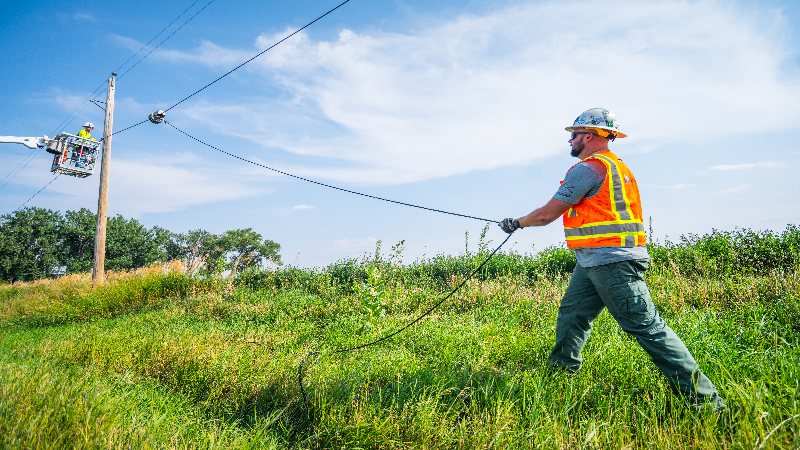
Installation typically involves mounting antennas, running cable or fiber, placing equipment, connecting power, and integrating the system with its signal source. Work may require ceiling access, drilling, lifts, or temporary restrictions in occupied areas. Coordinate with building management and tenants so crews can reach work areas safely and disruption is limited.
Costs vary with building size, construction materials, number of floors, coverage goals, equipment, and carrier requirements. Request a detailed proposal that separates design, equipment, labor, testing, and recurring service or maintenance costs. Compare proposals based on scope and measurable performance targets—not price alone. Ask who handles permits, inspections, carrier coordination, and restoration of ceilings or finishes.
Test and Maintain the System
Before accepting the work, request documented testing in the areas included in the design. The results should show whether the system meets agreed coverage targets and, where applicable, code requirements. Ask for as-built drawings, equipment and cable records, operating instructions, warranty details, and a clear process for reporting problems.
After turnover, schedule periodic inspections and retesting, particularly after renovations, equipment changes, or shifts in building use. Keep access to equipment rooms clear and maintain records of adjustments. These steps make troubleshooting easier and help preserve dependable service over time.
For owners, the key is to treat indoor wireless coverage as a planned building system, not a last-minute equipment purchase. Define user needs, verify code and carrier requirements, compare complete proposals, and insist on documented testing. Careful planning and ongoing maintenance help ensure the investment delivers useful, reliable coverage where people need it.