Key point:
- Professional mold removal involves inspection, containment, removal of affected materials, and air clearance testing.
- Humid climates like Honolulu, HI create year-round conditions for mold growth in homes.
- Licensed remediation follows established industry containment and safety protocols rather than simple cleaning.
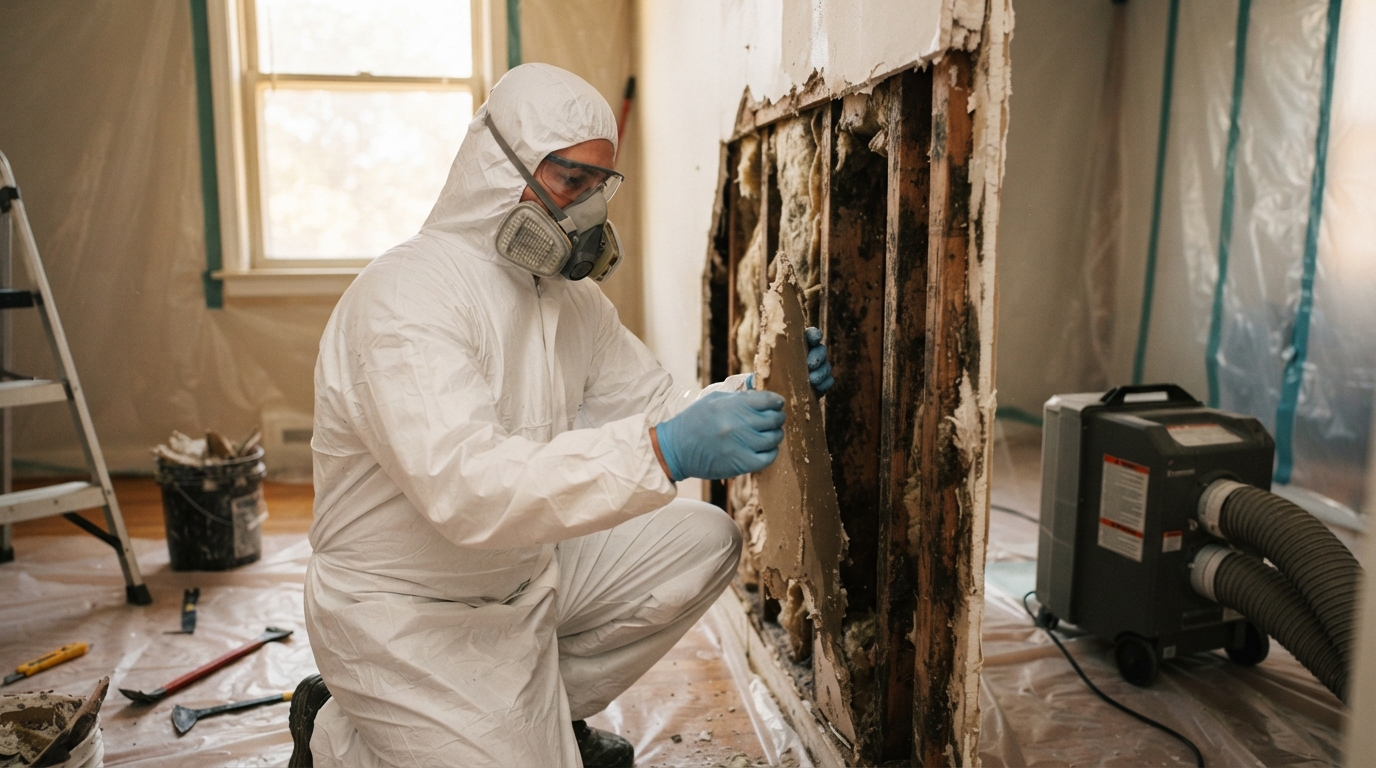
Mold removal addresses the physical presence of mold colonies in a structure through containment, removal of contaminated materials, and treatment of remaining surfaces. The process differs from general cleaning because it targets the source of moisture and prevents spores from spreading to unaffected areas during the work itself.
Homeowners searching for efficient mold removal services are typically dealing with visible growth, a musty odor, or a recent water intrusion event. Professional crews assess the scope of contamination before any removal begins, since hidden growth behind drywall or under flooring often extends beyond what’s visible on the surface.
Why Honolulu, HI Properties Face Persistent Mold Risk
Honolulu, HI experiences high humidity and consistent warm temperatures throughout the year, conditions that support mold growth whenever moisture is present indoors. Older homes with limited ventilation, single-wall construction, or past water damage are particularly susceptible to recurring issues.
Common contributing factors in the area include:
- Roof leaks following heavy rain
- Poor attic or crawlspace ventilation
- Plumbing leaks inside walls or under sinks
- Condensation from air conditioning units
- Flooding or storm-related water intrusion
The EPA mold guidance notes that mold growth can begin within 24 to 48 hours after a surface becomes wet, which is why prompt response to leaks matters as much as the removal process itself.
What the Mold Removal Process Typically Involves
A structured remediation project generally follows a sequence of steps rather than a single cleaning visit. Each stage addresses a different part of the contamination problem.
- Inspection and assessment – Technicians identify the mold type, moisture source, and affected square footage.
- Containment setup – Plastic sheeting and negative air pressure equipment isolate the work area from the rest of the home.
- Removal of contaminated materials – Drywall, insulation, or flooring that cannot be salvaged is removed and bagged for disposal.
- Cleaning and treatment – Remaining surfaces are cleaned with antimicrobial solutions.
- Drying and dehumidification – Industrial equipment reduces moisture levels to prevent regrowth.
- Post-remediation verification – Air or surface sampling confirms the area meets acceptable clearance levels.
This sequence reflects standard industry practice for structural mold remediation rather than a surface-level wipe-down.
Comparing Remediation Approaches
| Approach | Scope | Typical Use Case |
| DIY surface cleaning | Small, non-porous surfaces only | Minor mildew on tile or glass |
| Partial professional remediation | Localized area with containment | Isolated leak with limited spread |
| Full-scale remediation | Whole-room or multi-room containment | Widespread growth or recurring moisture problems |
Surface cleaning with household products may address small, isolated spots, but it does not resolve contamination within wall cavities or porous building materials. Full remediation becomes necessary when moisture has been present long enough for growth to spread beyond what is visible.
Business Info
Based in USA, Legacy Mold & Remediation serves customers across Honolulu, HI, coordinating remediation work for homes affected by moisture intrusion and mold growth. Additional details about the business are available through its Legacy Mold & Remediation profile listing.
Frequently Asked Questions
How long does a typical mold remediation project take? Project length depends on the extent of contamination, but most residential jobs range from one to several days once containment and drying equipment are in place.
Is it safe to stay in a home during remediation? Containment barriers are designed to keep spores confined to the work area, though occupants with respiratory sensitivities may be advised to avoid the immediate work zone.
Does remediation guarantee mold will not return? Remediation removes existing contamination, but recurrence depends on whether the underlying moisture source, such as a leak or ventilation issue, has been corrected.
What documentation should a homeowner expect afterward? Many remediation projects conclude with a clearance report or sampling summary confirming that air or surface conditions meet acceptable standards.
A Final Note on Next Steps
Current service area information for Legacy Mold & Remediation is published online for residents evaluating remediation options in Honolulu, HI.