Briefly:
• General dentistry covers preventive, restorative, and basic cosmetic care for children, teens, and adults.
• Core services typically include cleanings, exams, fillings, crowns, bridges, and gum disease treatment.
• Additional options such as implants, Invisalign, and sedation support patients with more specific needs.
A dentist supports oral health across every stage of life by combining routine preventive checkups with restorative and cosmetic treatments suited to a patient’s age and needs. This typically means one practice handles everything from a child’s first cleaning to an adult’s crown or bridge work, reducing the need to visit multiple specialists for common dental concerns.
Practices that describe themselves under the Parkside Dental PC name generally build their offerings around this full-life-cycle model, pairing preventive visits with restorative and cosmetic options as patients’ needs change over time. This approach is common among general dental practices that aim to serve families rather than a single age group or procedure type.
What General Dentistry Covers at Each Life Stage
General dentistry is built around three categories of care that apply differently depending on age.
• Preventive care : cleanings, exams, fluoride treatments, and sealants that reduce the risk of cavities and gum disease.
• Restorative care : fillings, crowns, bridges, and root canal treatment that repair damage from decay or injury.
• Basic cosmetic care : whitening and bonding that address minor appearance concerns without more involved procedures.
Children typically need more frequent monitoring of developing teeth, while adults often require more restorative attention as wear and prior dental work accumulate. The American Dental Association’s guidance on checkup frequency notes that visit intervals should be based on individual risk factors rather than a single fixed schedule for every patient.
Restorative and Cosmetic Options Beyond the Basics
Beyond routine exams and cleanings, many general dentistry practices also provide treatments for more specific concerns that arise as patients age or experience dental issues.
1. Dental implants – a fixed option for replacing one or more missing teeth, often involving a titanium post, a healing period, and a final crown or bridge.
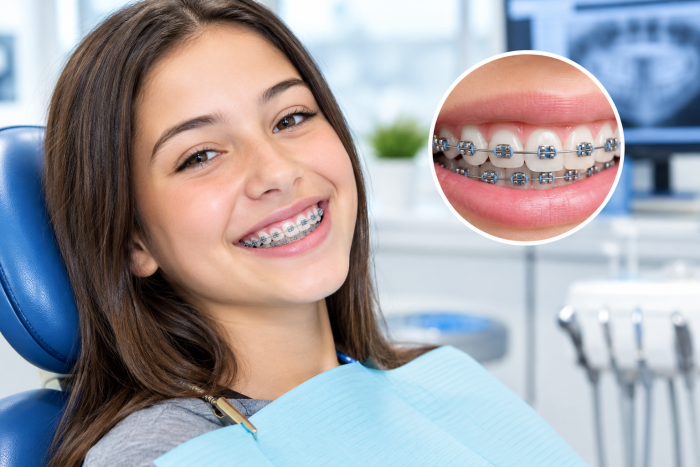
2. Invisalign clear aligners – a discreet alignment option generally suited to teens and adults who want straighter teeth without traditional metal braces.
3. Crowns and bridges – restorations that rebuild damaged teeth or replace a missing tooth using neighboring teeth as support.
4. Gum disease treatment – care ranging from deep cleanings to more involved periodontal therapy depending on severity.
These services are frequently positioned as extensions of general dentistry rather than separate specialties, which allows a single practice to manage both a routine cleaning and a more involved restorative case over time.
Comparing Common Dental Services by Purpose
|
Service Category |
Typical Patients |
Primary Purpose |
|
Preventive care (cleanings, exams) |
Children through older adults |
Catch problems early, maintain oral health |
|
Restorative care (fillings, crowns, root canals) |
Patients with decay or damaged teeth |
Repair function and structure |
|
Implants and bridges |
Adults with missing teeth |
Replace teeth and restore chewing ability |
|
Cosmetic and alignment (whitening, Invisalign) |
Teens and adults |
Improve appearance and bite alignment |
This structure shows why many patients stay with the same general practice for decades: the underlying service categories rarely change, even as the specific treatment needed shifts with age.
Sedation and Comfort-Focused Care
Dental anxiety affects patients of any age, and sedation options are one way general practices address it. Mild sedation can make longer procedures, such as implant placement or extensive restorative work, more manageable for anxious patients or those needing multiple visits condensed into one appointment. This option is typically offered as a supplement to standard treatment rather than a separate service line, meaning it can apply to a routine filling as easily as a more complex procedure.
Based in the Twin Cities, Parkside Dental PC serves patients across New Brighton and Fridley, MN, providing a point of reference for residents weighing whether a symptom warrants a professional look.
Frequently Asked Questions
Does general dentistry include treatment for children? Yes. General dentistry commonly includes preventive visits, exams, and basic restorative care for children, alongside the same categories of care offered to teens and adults.
What is the difference between restorative and cosmetic dentistry? Restorative dentistry repairs function and structure, such as fillings or crowns, while cosmetic dentistry focuses primarily on appearance, such as whitening or minor bonding.
Are dental implants considered part of general dentistry? Implants are often offered within general practices as an extension of restorative care, though the complexity of the procedure can vary by case and may involve coordination with a specialist.
How often should checkups happen for different age groups? Checkup frequency depends on individual risk factors rather than age alone, though many patients are seen roughly twice a year as a starting point.
Final Note on Choosing Age-Appropriate Dental Care
Selecting a dental provider that handles multiple service categories under one roof can simplify care planning as patient needs shift from preventive visits in childhood to more restorative or cosmetic work later in life. Published details for Schedule with Parkside Dental PC are available for those reviewing service information in the area.