Key takeaway:
• Paintless dent repair (PDR) is the standard method for fixing hail dents without repainting the vehicle.
• Most insurance claims for hail damage follow a predictable inspection, estimate, and repair timeline.
• Choosing a shop that works directly with insurers can shorten the claims process for Littleton drivers.
Auto hail damage repair restores a vehicle’s body panels to their original shape after a hailstorm, typically through paintless dent repair rather than traditional bodywork. For most Littleton drivers, this means a technician massages dents out from behind the panel, preserving the factory paint finish and avoiding the cost of a full repaint.
Colorado’s Front Range sits in one of the most hail-prone corridors in the country, and Littleton vehicles are routinely exposed to storm damage during the spring and summer months. When a storm hits, Auto Hail Damage Repair in Littleton CO becomes a search many residents run within days, since dents left untreated can trap moisture and lead to corrosion along panel edges over time.
What Happens During a Hail Repair Inspection
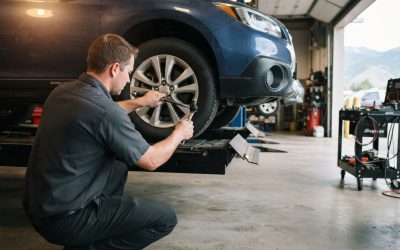
A repair technician starts by walking the vehicle’s exterior under bright, angled light to spot dents that are hard to see in flat daylight. This step determines whether paintless dent repair is viable or whether a panel has damage severe enough to need traditional filler-and-paint work.
• Panel-by-panel dent count and size assessment
• Paint condition check for cracking or chipping at dent sites
• Identification of any structural or trim damage from large hail or debris
Technicians then translate this inspection into a written estimate that itemizes labor by panel, which becomes the basis for an insurance claim if the owner is filing one.
Paintless Dent Repair vs Traditional Bodywork
Not every hail-damaged panel qualifies for PDR. The method depends on paint integrity, dent depth, and how close the dent sits to a panel edge.
| Factor | Paintless Dent Repair | Traditional Bodywork |
| Paint condition | Must be intact, no cracking | Repair includes repaint |
| Typical turnaround | Faster, often 1-3 days | Longer due to paint curing time |
| Cost | Generally lower labor cost | Higher due to materials and paint |
| Best for | Small to medium dents, hail damage | Deep dents, torn metal, cracked paint |
According to the National Weather Service storm data records, hail events can produce stones large enough to cause panel dents, cracked windshields, and damaged trim in a single storm. This is why inspectors check every panel rather than assuming damage is limited to the hood or roof.
Working Through an Insurance Claim
Most Littleton drivers filing a hail claim follow a similar sequence, though specifics vary by insurer and policy.
1. Document the damage with photos before any repair work begins.
2. File the claim with the insurance carrier and request a claim number.
3. Schedule an independent damage assessment or allow the repair shop to meet the insurance adjuster on-site.
4. Review the estimate for panel count and repair method.
5. Approve the repair order once coverage terms are confirmed.
A shop familiar with insurance documentation can help keep the estimate aligned with what adjusters expect to see, which reduces back-and-forth before approval. Drivers should still confirm their deductible and coverage limits directly with their insurer, since repair shops do not set policy terms.
Choosing a Repair Provider in Littleton
Local experience with Colorado’s hail patterns matters more than national chain recognition when selecting a shop. A provider that has handled repeated storm seasons along the Front Range typically has a faster read on which panels are PDR-eligible versus which need conventional repair.
Auto Hail and Dent Center, a Littleton-based shop, lists paintless dent repair and hail damage services on its Google Business Profile, reflecting the storm-driven demand common to the area. Drivers comparing providers should ask about:
• Whether the shop performs PDR in-house or subcontracts it
• How they coordinate directly with insurance adjusters
• Average turnaround time for the number of panels affected
Getting these answers before committing helps avoid delays once a claim is already in motion.
Frequently Asked Questions
Does hail damage repair always require a full repaint? No. When the paint surface remains intact, paintless dent repair restores the panel shape without repainting. Repainting is only necessary if the paint has cracked, chipped, or peeled at the dent site.
How long does a typical hail repair take? Turnaround depends on the number of panels affected and whether PDR or traditional bodywork is required. Small to moderate hail damage handled through PDR often finishes faster than repairs needing paint and curing time.
Will my insurance cover the full repair cost? Coverage depends on the individual policy, deductible, and whether the claim is filed under comprehensive coverage. Drivers should confirm specifics directly with their insurance carrier before scheduling repairs.
Can I drive my car with hail damage before it’s repaired? In most cases, cosmetic hail dents do not affect drivability. However, cracked windshields or damaged mirrors from the same storm should be addressed promptly for safety.
Hail season along Colorado’s Front Range makes storm damage an ongoing reality for Littleton drivers, and understanding the repair process before a storm hits can make the claims experience far less stressful. Working with a shop experienced in both paintless dent repair and insurance documentation, such as Auto Hail and Dent Center, gives drivers a clearer path from initial inspection to a finished repair.