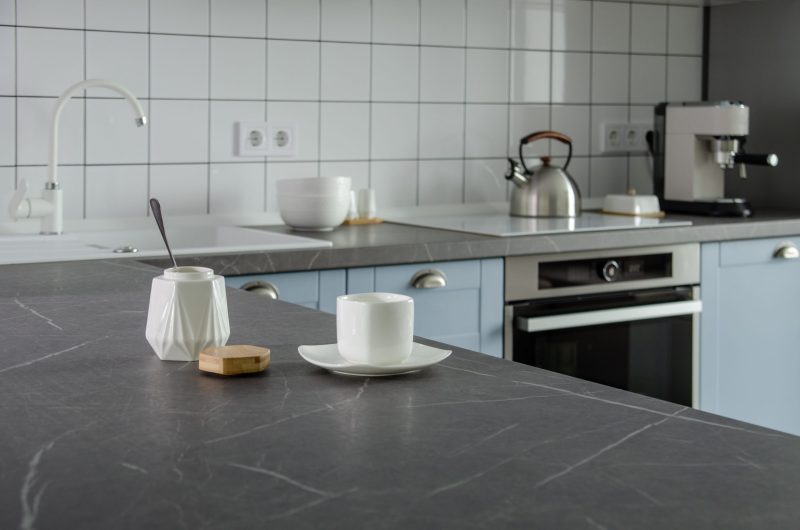
A countertop should do more than look attractive on installation day. It needs to withstand daily meals, spills, cleanup, and the occasional dropped utensil while fitting the way a household uses its kitchen. Homeowners researching Kitchen Countertops Mendota Heights MN can make a more confident choice by weighing durability, maintenance, appearance, and installation together.
Start With Your Household’s Routine
Before comparing colors, consider how the kitchen functions. A busy family may value a surface that handles frequent spills and requires little upkeep, while an avid cook may prioritize heat tolerance, room for food preparation, or a forgiving surface for everyday use. Also note where water tends to collect, how often the counters are cleaned, and whether anyone regularly places hot pans on them.
Think about the counter’s different roles. An island used for homework and meals may need a durable, easy-to-clean finish; a baking area may benefit from ample uninterrupted workspace. These details help narrow the options based on real needs rather than appearance alone.
Compare Materials for Durability and Care
Each countertop material offers a different balance of performance, maintenance, and style. Ask what routine care a surface needs, how it responds to stains and scratches, and whether repairs are practical if damage occurs.
- Quartz: This engineered surface is nonporous and generally easy to clean, making it a convenient choice for many households. It comes in varied colors and patterns. However, it can be damaged by high heat, so trivets are important.
- Granite: Natural granite offers distinctive patterns, and each slab has its own character. It is durable for everyday kitchen use, but some varieties need periodic sealing to help resist stains. Ask about care requirements for the specific slab you are considering.
- Marble: Known for its natural veining, marble can create a refined look, but it is more prone to etching and staining than some alternatives. It may suit homeowners willing to use cutting boards, clean spills quickly, and accept signs of use over time.
- Porcelain: Porcelain can provide strong resistance to heat, UV exposure, and stains, depending on the product. Its thin profile may allow for a sleek design, though fabrication and installation require careful handling.
- Butcher block and laminate: Wood brings warmth and can be refinished, but it needs thoughtful care around moisture and knives. Laminate offers a broad range of designs at a lower cost, though it is less resistant to heat and deep damage than many stone options.
No material is maintenance-free in every situation. Get care instructions in writing, and compare them with the time and attention you are realistically prepared to give your counters.
Look Beyond Color and Pattern
Bring cabinet, flooring, and paint samples when evaluating countertop options. A surface can look different under showroom lighting than it does in a kitchen with morning sun or warm evening lights. If possible, view a large sample or the actual slab; small samples may not show how veining and color variation will appear across a long run.
The edge profile and finish also influence the result. A polished finish reflects more light, while a honed or textured finish may have a softer appearance and show fingerprints differently. A simple edge can suit a clean, contemporary kitchen, while a more detailed profile can add visual weight. Consider how these choices work with the cabinetry and the room’s overall style.
Plan for Measurement and Installation
A long-lasting counter depends on accurate measurements and sound installation as well as material quality. Before work begins, confirm the layout, sink and cooktop openings, overhangs, seams, edge details, and backsplash plan. Ask how seams will be positioned and what support is needed for heavy sections or extended island overhangs.
Request a written estimate that explains what is included, such as removal of existing counters, delivery, installation, sink cutouts, and disposal. Clarify who coordinates plumbing or other work that must happen before or after installation. A clear plan helps prevent surprises and protects the finished surface from avoidable damage during the project.
Make Maintenance Part of the Decision
Use cutting boards to protect counters and knives, and place trivets beneath hot cookware unless the manufacturer confirms otherwise. Wipe up acidic liquids and staining foods promptly, especially on surfaces that can etch or absorb spills. Use a cleaner recommended for the material; harsh or abrasive products may dull some finishes.
For natural stone, follow guidance on whether and when sealing is appropriate. For every surface, keep care instructions handy and address small chips or loose seams promptly. Routine, material-appropriate care can preserve both appearance and performance, helping the counter serve the household well for years.
Homeowners seeking a dependable partner can turn to Granite Unlimited Inc. for guidance on selecting and installing a countertop suited to their kitchens. Its team can help compare materials, plan details, and support a lasting investment with informed, attentive service.