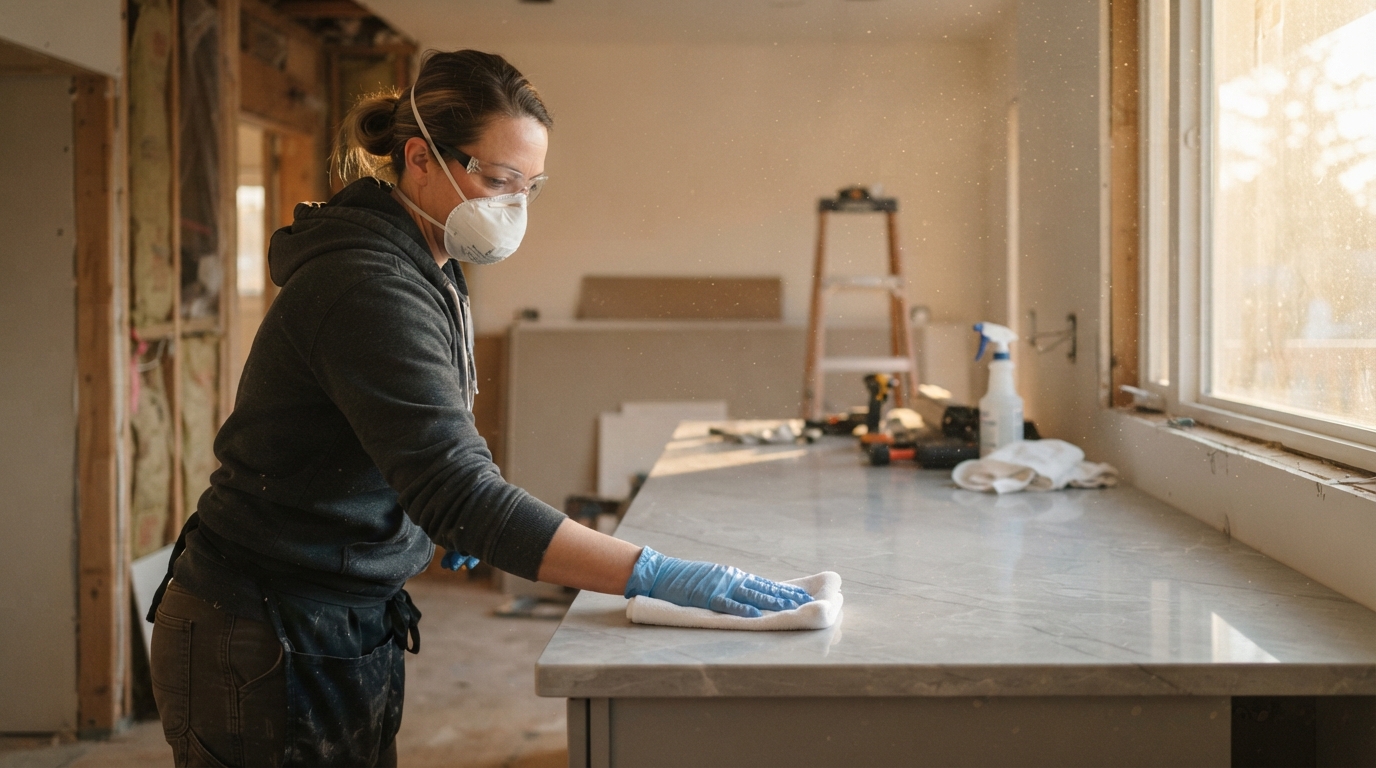
Summary:
- Thorough post-construction cleaning follows a sequence: removing debris, eliminating dust, detailing surfaces, and making final touch-ups before occupancy.
- Fine dust requires HEPA vacuuming and wet methods rather than dry sweeping, which can redistribute particles into the air.
- Properties in Edison, NJ can access post-construction cleaning support from a company based in East Brunswick, NJ.
A construction or renovation project isn’t truly finished until fine dust, debris, and residue are fully removed, since standard cleaning tools cannot handle the volume and texture of construction byproducts. A structured, multi-stage cleaning approach is what separates a space that merely looks tidy from one that is genuinely ready for occupancy.
Why Post-Construction Cleaning Requires a Different Approach
Renovation and new-build projects generate materials that regular household or office cleaning routines aren’t designed to handle.Eclean solutions addresses this gap by removing dust, debris, and construction residue that linger after a project wraps up, rather than relying on surface-level wiping alone.
Fine particulate from drywall sanding, cutting, or demolition can settle into air ducts, light fixtures, and carpet fibers long after visible dirt appears gone. CPWR Silica Safe guidance discourages dry sweeping or using compressed air on this type of dust because it redistributes particles into the air rather than removing them. HEPA-filtered vacuuming and wet cleaning methods are the preferred approach for settled construction dust.
The Core Stages of a Thorough Cleaning Process
A complete post-construction cleanup typically moves through distinct phases rather than a single pass with a mop and vacuum.
- Initial debris removal – Leftover materials such as packaging, wood scraps, drywall offcuts, and larger trash are cleared first so finer cleaning work is not obstructed.
- Dust extraction – Surfaces, vents, window sills, and fixtures are treated with HEPA vacuuming or damp wiping to capture fine particles before they settle.
- Surface and fixture detailing – Floors, countertops, cabinetry, baseboards, and glass are cleaned to remove adhesive residue, paint specks, and grime left from the build process.
- Final inspection and touch-ups – A walkthrough identifies missed spots, streaks, or residue in corners and hard-to-reach areas before the space is considered occupancy-ready.
Skipping any one of these stages often means dust reappears within days as it settles out of ductwork or soft surfaces.
Common Trouble Spots During Cleanup
Certain areas consistently require extra attention during post-construction cleaning:
- Window tracks and sills, where sawdust and grit collect
- HVAC vents and returns, which can recirculate dust if not cleaned
- Light fixtures and ceiling fans, often overlooked during general tidying.
- Cabinet interiors, where fine dust settles during installation
Comparing Cleaning Approaches for New or Renovated Spaces
| Cleaning Method | Best Suited For | Limitation |
| Dry sweeping/dusting | Light, non-construction debris | Can redistribute fine dust into the air |
| Standard vacuuming | Everyday household maintenance | Lacks HEPA filtration for fine particulate |
| HEPA vacuum and wet wipe | Post-construction dust and residue | Requires specialized equipment and more time |
| Multi-stage detailed cleanup | Full renovation or new-build turnover | Takes longer than a single cleaning pass |
Based in East Brunswick, NJ, Eclean Solutions Corp extends post-construction cleaning support to property owners across Edison, NJ, addressing the cleanup needs that follow renovation or new-build work in that area. Edison’s mix of office buildings, retail spaces, and residential renovations means post-construction cleanup needs can vary widely depending on project scope and building type.
Frequently Asked Questions
How soon after construction should cleaning begin? Cleaning is generally scheduled once major construction activity, including painting and flooring installation, is complete, since starting too early can mean redoing work as more dust settles.
Is post-construction cleaning different from regular cleaning? Yes. Regular cleaning addresses everyday dirt, while post-construction cleaning targets light debris and construction residue that standard cleaning routines can’t remove.
Can post-construction cleaning cover both homes and commercial properties? Post-construction cleaning services are commonly available for homes, offices, commercial facilities, and renovation projects, since dust and debris issues are not limited to one property type.
What happens if dust is not properly removed after construction? Residual dust can resettle into HVAC systems, carpets, and surfaces, leading to air quality concerns and the need for repeat cleaning shortly after move-in.
Final Thoughts on Post-Construction Cleanup
A properly sequenced post-construction cleaning process protects indoor air quality, prevents dust from resettling, and gives a renovated or newly built space the finished appearance it needs before daily use begins. Property owners weighing cleanup options can consider the scope of their project, the type of debris involved, and whether specialized equipment like HEPA vacuums is needed.
For published location and service area details, readers can contact Eclean solutions.