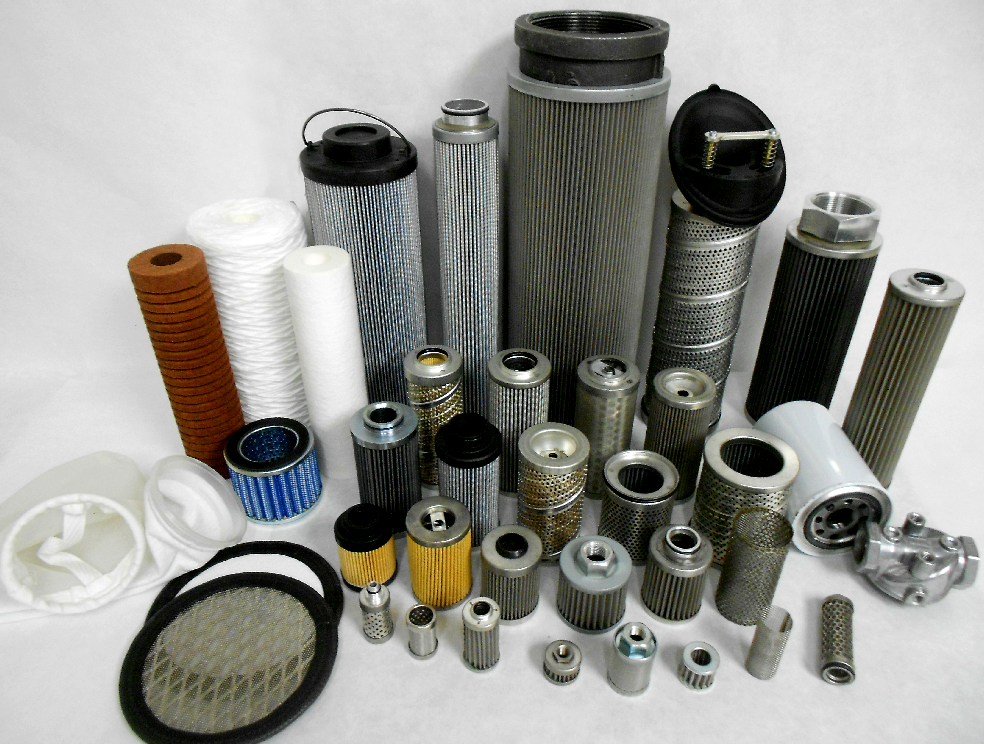
When an industrial filter needs replacement, finding a part that fits the equipment and performs reliably is essential. People searching online for a Taisei kogyo filter may be comparing available options, checking a part number, or looking for a dependable source beyond their usual purchasing channel. An in-house manufacturer can help by producing compatible replacement elements and assisting customers as they identify the right fit for their application.
Why Compatibility Matters
A filter is more than a component that fits inside a housing. Its dimensions, media, construction, and performance all affect how well it supports the system. A replacement with the wrong length or diameter may not seat correctly, while an unsuitable filter medium can affect flow or filtration performance. Confirming the application details before ordering helps reduce the risk of installation problems, downtime, and unnecessary returns.
When researching a replacement, gather as much information as possible, including:
- The part or element number shown on the existing filter
- The equipment model and filter housing details
- The filter’s dimensions and connection style
- The fluid or process being filtered
- Any known operating pressure, temperature, or filtration requirements
A label or photograph of the existing element can also help clarify its configuration. If the original part number is missing, dimensions and application information may still provide a useful starting point.
The Value of In-House Manufacturing
Working directly with a manufacturer that produces industrial filters in-house can offer practical advantages. Production expertise helps the manufacturer evaluate construction details and make replacement filters for applications that use name-brand elements. Rather than relying only on a part description, the team can consider how the filter is built and what the system requires.
In-house capabilities can also support responsive assistance when an exact part number is difficult to locate. Customers may be able to discuss their filter’s measurements, materials, and operating conditions with people familiar with manufacturing. This is particularly helpful for older equipment, specialized applications, or situations where a product listing does not provide enough detail to confirm a match.
A compatible replacement should be selected based on the needs of the equipment, not simply on a similar appearance. Manufacturers can help assess available information and identify a suitable option. Providing accurate specifications upfront makes that conversation more productive and helps avoid assumptions about fit or performance.
Choosing and Ordering a Replacement
Start by checking the equipment documentation and inspecting the filter currently installed. Compare the identifying number, dimensions, and construction against the information available for the replacement. If your exact filter or part number is not listed online, contact the manufacturer before ordering. Sharing a photograph, measurements, or equipment details may help the team determine whether a compatible option can be made.
It is also wise to consider service conditions and replacement timing. A filter that matches the physical housing may still need to meet the system’s filtration and operating requirements. When those requirements are unclear, consult the equipment documentation or a qualified maintenance professional, then provide the details to the manufacturer for review.
An experienced in-house manufacturer can make the search for an industrial filter replacement more straightforward, from reviewing available specifications to producing compatible elements for demanding applications. For help identifying a suitable Taisei kogyo filter element, contact bulldog fabricating corporation to discuss the application and available replacement options.