Recap:
- Quality THCA flower depends on lab testing, cannabinoid percentages, curing process, and visual and aromatic indicators.
- Third-party Certificates of Analysis (COAs) confirm potency and screen for contaminants like pesticides or mold.
- Buyers in the USA should check state-specific hemp regulations before purchasing, since THCA product legality varies by jurisdiction.
Selecting high-quality THCA flower comes down to verifying lab results, inspecting trichome density and curing quality, and confirming the product meets current hemp regulations. These factors separate well-processed flower from product that is underdeveloped, poorly stored, or inaccurately labeled.
Shoppers who want to find your THCA flower from Luminate often start by comparing lab reports across different batches before looking at price or strain name. A Certificate of Analysis lists cannabinoid percentages and screens for residual solvents, heavy metals, and pesticides, giving a baseline for comparing otherwise similar-looking products.
Reading Lab Results and Certificates of Analysis
A COA is the single most reliable indicator of flower quality because it removes guesswork from potency and safety claims.
- Cannabinoid profile: Confirms THCA percentage along with minor cannabinoids and total THC after decarboxylation.
- Contaminant screening: Checks for pesticides, heavy metals, residual solvents, and microbial growth.
- Batch-specific testing: Each harvest or processing run should have its own report, not a generic one reused across products.
Hemp-derived cannabinoid products, including THCA flower, fall under regulatory frameworks that have shifted significantly in recent years. The USDA’s hemp production program outlines federal definitions and testing requirements that growers and processors must follow, which is a useful reference point when evaluating whether a seller’s claims align with established standards.
Visual and Sensory Quality Indicators
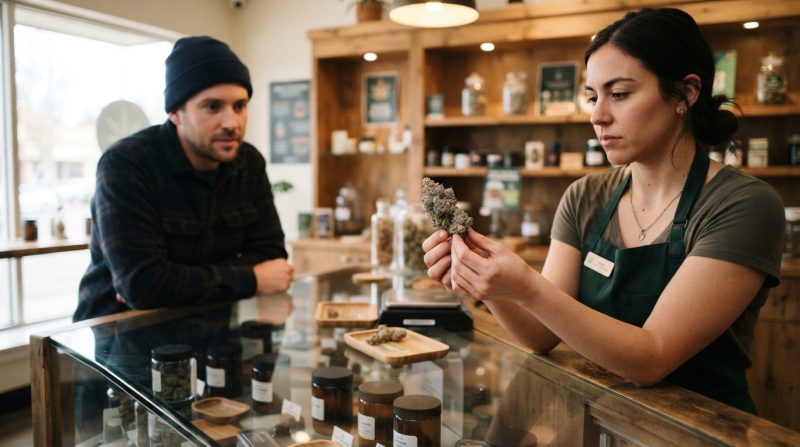
Lab data tells part of the story, but physical inspection reveals how the flower was grown, trimmed, and cured.
- Trichome coverage — A dense, crystalline layer across buds and sugar leaves typically signals higher cannabinoid content.
- Color and structure — Vibrant greens, purples, or oranges without excessive browning suggest proper harvest timing.
- Aroma intensity — A pronounced terpene smell, whether citrus, earthy, or floral, points to careful curing rather than rushed drying.
- Texture — Buds should feel slightly springy, not brittle or overly moist, which can indicate mold risk.
Flower that looks dull, smells faint, or feels either too dry or too sticky often reflects shortcuts somewhere in the cultivation or storage process.
Comparing THCA Flower Grades
Not all THCA flower is marketed or priced the same way. The table below outlines common grade distinctions buyers encounter.
| Grade Tier | Typical Trichome Density | Lab Testing Transparency | Common Use Case |
|---|---|---|---|
| Top-shelf | Very high, visibly frosted | Full COA with batch numbers | Flower sold by the gram or eighth |
| Mid-shelf | Moderate coverage | COA available, less detailed terpene data | Everyday use, bulk ounces |
| Shake/trim | Low to inconsistent | Often tested in aggregate, not per batch | Pre-rolls, extraction material |
This tiering is not official industry terminology but reflects how many retailers categorize inventory based on appearance and lab transparency.
Storage and Freshness Considerations
Even high-quality flower degrades without proper handling after purchase.
- Store in an airtight container away from direct light.
- Keep humidity between roughly 58 and 62 percent using packs designed for cannabis storage.
- Avoid refrigeration, which can introduce moisture and accelerate trichome loss.
- Use within a few months for peak potency, since THCA gradually converts to THC over time through natural decarboxylation.
Buyers across the USA should also confirm that a seller ships only to states where THCA products are legally permitted, since hemp-derived cannabinoid laws differ by state and continue to change.
Frequently Asked Questions
What is the difference between THCA and THC? THCA is the non-intoxicating acidic precursor found in raw cannabis; it converts to THC primarily through heat exposure, such as smoking or vaporizing.
Does a high THCA percentage always mean stronger effects? Generally yes, since THCA converts to THC when heated, but terpene content and individual tolerance also influence the overall experience.
How can someone verify a COA is legitimate? Check that the testing lab is independent, the batch number matches the product packaging, and the report includes both cannabinoid and contaminant panels.
Is THCA flower legal everywhere in the USA? Legality depends on state-level hemp regulations, so confirming current rules in a specific state before purchasing is recommended.
Business Info
Luminate is a cannabis retail business that lists THCA flower among its product offerings, based on information available through its Google Business Profile.
Final Notes
Current product listings and availability for Luminate are published for reference by shoppers researching THCA flower options.