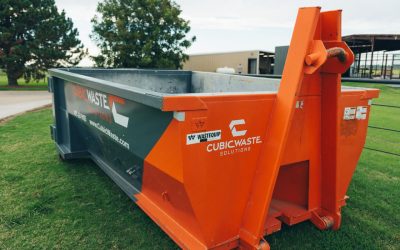
Garage conversions and accessory dwelling unit projects produce mixed debris during clearing, removal, construction, and finishing work. A properly planned dumpster rental gives homeowners and contractors one controlled location for approved materials while helping keep the property safer and more organized.
What Debris Can a Garage Conversion Create?
A garage conversion often begins with removing stored belongings, shelving, cabinets, damaged flooring, wall coverings, or nonstructural fixtures. Later phases may produce drywall scraps, lumber, insulation, packaging, flooring pieces, trim, and other renovation debris.
The exact waste stream depends on the condition of the garage and the planned use of the finished space. Converting a garage into an office may create less debris than adding a bathroom, kitchenette, interior walls, or extensive utility work.
An accessory dwelling unit, commonly called an ADU, can involve site preparation, framing, roofing, drywall, flooring, cabinetry, and finish materials. These projects may produce more construction debris and continue for a longer period.
Before ordering a container, create a basic list of materials expected during each project phase. This helps distinguish bulky household items from dense construction materials that may have different weight or disposal requirements.
Why Should the Dumpster Be Planned Before Work Begins?
Waiting until debris begins accumulating can create avoidable problems. Loose materials may block walkways, occupy needed work areas, or require workers to move the same waste several times.
Planning a roll off dumpster rental before demolition or clearing begins gives the crew a designated disposal location from the first day. It can also help the homeowner coordinate delivery with contractor access, material shipments, and inspection dates.
The rental period should cover the stages expected to produce the most waste. For a garage conversion, that may include the initial cleanout and interior removal. For an ADU, debris may be generated throughout framing, installation, and finishing.
A construction schedule often changes, so ask how rental extensions, early pickups, and container exchanges are handled.
How Is the Right Dumpster Size Determined?
Dumpster size should be based on debris volume, material weight, available placement space, and project duration. Choosing only by the visual size of the garage can be misleading because light bulky items and dense building materials affect a container differently.
A smaller residential dumpster rental may work for clearing stored belongings, removing cabinets, or completing a limited interior update. A larger construction dumpster rental may be more practical when the work includes substantial drywall, lumber, flooring, roofing, or repeated project phases.
Discuss the project scope with the rental provider rather than estimating from photographs alone. Helpful information includes:
- Approximate garage or ADU size
- Materials being removed
- Whether concrete, dirt, tile, or roofing is involved
- Expected project length
- Available driveway or jobsite space
- Whether one pickup or multiple hauls may be needed
The provider can explain which container sizes and weight limits match the described materials.
Where Should the Dumpster Be Placed?
The placement area should be level, accessible, and clear of vehicles, low branches, gates, equipment, and overhead obstructions. The delivery truck also needs enough room to approach, place, and later retrieve the container.
Driveways are common placement locations for residential projects, but the dumpster should not interfere with contractor parking, material deliveries, or emergency access. Protective boards may sometimes be used beneath the container, depending on the surface and provider instructions.
For ADU construction, the most convenient location is not always the safest one. Placing a container too close to active excavation, utility work, or material storage can create congestion.
Homeowners should also confirm neighborhood, homeowners association, and local requirements before placing a container on a street or other public area.
How Should Debris Be Loaded?
Loading should be planned rather than treated as a final cleanup task. Place flatter materials along the bottom when practical, break down bulky approved items, and distribute weight throughout the container.
Avoid concentrating heavy debris in one corner. Uneven loading can make the container harder to transport and may create safety concerns.
Materials should remain below the marked fill line. Debris extending above the container can shift during transportation and may prevent pickup until the load is corrected.
Workers should not climb inside the dumpster to compress materials. A safer approach is to load carefully from the beginning and ask about an exchange if the project produces more debris than expected.
Which Materials Need Separate Approval?
Not every material can be placed in a standard dumpster. Paints, oils, fuels, batteries, refrigerants, chemicals, asbestos-containing materials, and other regulated waste commonly require separate handling.
Dense materials such as concrete, dirt, gravel, brick, and tile may also require a specific container or load arrangement because weight can increase quickly.
Ask the rental provider about every uncertain material before loading it. Do not rely on assumptions based on size or appearance. A small quantity of a restricted material can still affect disposal and transportation.
Contractors should also communicate disposal rules to subcontractors so prohibited items are not added by someone unfamiliar with the rental terms.
How Can Homeowners Coordinate Permits and Cleanup?
Garage conversions and ADUs may involve planning, building, electrical, plumbing, mechanical, or zoning requirements. Homeowners in Buckeye should confirm current city and homeowners association requirements before removal or construction begins.
The dumpster schedule should follow the approved project timeline. Delivering too early may use rental days before work starts, while late delivery can leave demolition debris without a suitable location.
Identify who is responsible for ordering, monitoring, and requesting pickup. Clear responsibility prevents the container from being overfilled or remaining onsite after it is no longer needed.
Start Your Buckeye Conversion Project With a Clear Disposal Plan
A garage conversion or ADU project is easier to manage when debris removal is planned alongside permits, labor, materials, and inspections. Estimate the waste by project phase, confirm acceptable materials, choose an accessible placement area, and review rental timing before work begins.
Contact a Buckeye dumpster provider with a detailed description of the project and expected debris. Clear information helps determine an appropriate container size and creates a more organized path from initial cleanout through final construction cleanup.