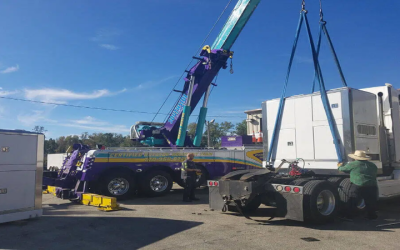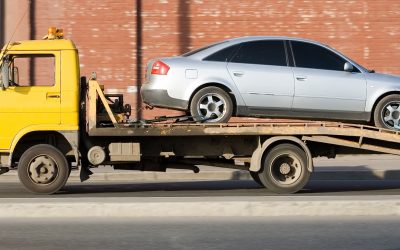
Before towing a double-decker bus, dispatch needs its dimensions, weight, axle configuration, passenger status, mechanical condition, location, and destination. These details help determine whether suitable towing equipment is available and whether the recovery and transport route can safely accommodate the bus’s height and length.
A double-decker bus presents concerns that may not apply to a standard passenger vehicle or smaller shuttle. Its height, upper structure, long wheelbase, and weight distribution can influence the towing setup from the initial hookup through arrival at the destination.
What Basic Vehicle Details Should Dispatch Receive?
The caller should begin with the bus’s make, model, year, and operating configuration. Describing it only as a double-decker does not provide enough information because sightseeing buses, transit buses, motor coaches, and converted vehicles can have different dimensions and mechanical systems.
Dispatch may need the following information:
- Overall height, length, and width
- Gross vehicle weight rating
- Estimated operating weight
- Number and position of the axles
- Engine and drivetrain location
- Steering and braking condition
- Ground clearance and overhang
- Whether the upper deck is enclosed or open
- Known modifications or exterior attachments
The vehicle identification plate, operating documents, or fleet records may contain many of these specifications. Photos can also help confirm the body style and visible condition.
Why Is the Bus’s Exact Height Important?
Height is one of the most important considerations in double-decker bus towing. Lifting one end of the bus changes its angle and can increase the effective height of another part of the vehicle.
Overhead restrictions may include bridges, traffic signals, power lines, trees, parking structures, signs, and facility entrances. A route that accommodated the bus while it was operating normally may not provide enough clearance after it is connected to towing equipment.
Rooftop air-conditioning units, antennas, railings, signs, and other equipment must also be included in the height measurement. Dispatch should not rely solely on the manufacturer’s original specifications if the bus has been modified.
How Do Weight and Axle Configuration Affect Bus Towing?
A double-decker bus carries substantial weight across multiple axles. The towing company must know the approximate total weight and how it is distributed before selecting equipment.
The number of axles can affect where the bus may be lifted and which wheels can remain on the road. Weight distribution may vary depending on engine placement, fuel level, luggage, onboard equipment, and modifications.
A bus that is empty may still require heavy-duty equipment. If luggage, equipment, or other cargo remains aboard, dispatch should be informed so the added weight can be considered.
Correct weight information helps prevent overloading towing equipment and supports a stable connection during transport.
What Mechanical Problem Caused the Breakdown?
The cause of the breakdown can determine whether the bus rolls, steers, and brakes normally. Dispatch should know whether the problem involves the engine, transmission, air-brake system, suspension, steering, electrical system, axle, or tires.
Loss of air pressure may cause spring brakes to engage and prevent wheel movement. Steering failure can make it difficult to align the bus during recovery. Suspension problems may reduce ground clearance or cause the body to sit unevenly.
If the bus was involved in a collision, report damaged panels, broken glass, leaking fluids, displaced axles, or components touching the ground. A bus towing service can use these details to plan for the vehicle’s actual condition rather than its size alone.
Have All Passengers Left the Bus?
Dispatch should confirm whether passengers remain aboard and whether alternative transportation is available. Passengers generally need to leave the bus before towing begins so they remain outside the working area and do not affect vehicle weight or movement.
A double-decker bus may take longer to unload because passengers must descend from the upper level and exit through a limited number of doors. Individuals with mobility concerns may need additional assistance, particularly if the kneeling suspension, wheelchair lift, or electrical system is not functioning.
Passengers should gather in a safe area away from traffic and towing equipment. In extreme Phoenix heat, the transportation operator may need to arrange another air-conditioned vehicle or an indoor waiting location.
What Location Details Help the Towing Company?
Accurate location information is essential, especially when the bus is stopped on a Phoenix freeway, downtown street, event property, or narrow commercial entrance.
The caller should provide:
- Street name or highway number
- Direction of travel
- Nearest exit or cross street
- Lane or shoulder position
- Road grade and surface condition
- Nearby overhead restrictions
- Available space in front of and behind the bus
- Gate dimensions or facility access instructions
A map pin and photographs can help dispatch understand whether the responding equipment can approach the bus safely.
Why Must the Destination Be Confirmed Before Transport?
The destination must have enough clearance and maneuvering room to receive a double-decker bus under tow. A repair facility may be capable of servicing large vehicles but still have an entrance, canopy, or service bay that is too low.
Dispatch should confirm the facility’s address, operating hours, gate access, and available unloading area. The receiving location should also know that the bus will arrive by tow rather than under its own power.
Route planning may be necessary to avoid low structures, restricted entrances, sharp grade changes, and tight turns. This preparation can reduce delays after the bus has already been connected.
What Photos Should Be Sent to Dispatch?
Useful images include the front, rear, both sides, wheel and axle areas, damaged components, and the space surrounding the vehicle. A wider photo can show traffic exposure, road grade, overhead obstacles, and available working room.
Images should be taken only from a safe position. No one should enter traffic or stand near an unstable vehicle to obtain a photograph.
If warning lights or air-pressure gauges are relevant, the driver may also document the dashboard. These images can supplement the verbal description provided to towing services.
Arrange a Prepared Double-Decker Bus Tow
Double-decker bus towing requires accurate specifications and careful coordination before equipment is dispatched. When requesting assistance in Phoenix, provide the bus dimensions, weight, axle configuration, passenger status, mechanical problem, location, photographs, and destination details. Complete information helps the towing provider evaluate equipment capacity, clearance, access, and route conditions before attempting to move the bus.