Summary first:
• Routine elevator repair services address worn components before they cause breakdowns, keeping passengers safe and reducing unplanned downtime.
• Federal guidance requires annual inspections at minimum, with monthly checks recommended for high-use equipment.
• View Site outlines repair, maintenance, modernization, testing, and violation removal as core elevator services for buildings in the New York region.
A functioning elevator in New York City depends on consistent mechanical attention, not just emergency fixes after something breaks. Scheduling professional Elevator Repair Services in New York City on a routine basis helps identify worn parts, misaligned doors, and faulty safety devices before they put passengers at risk. Regular maintenance and timely repairs help keep elevators safe, reliable, and operating efficiently in NYC’s residential buildings, commercial properties, and high-rise developments.
Building owners and property managers often treat elevator care as reactive, calling for help only once a cab stalls or doors stop closing properly. That approach raises both safety risk and long-term repair costs, since small mechanical issues tend to compound into larger failures.
Why Routine Repair Work Protects Passengers
Elevators carry moving parts that wear down through daily use, including cables, door interlocks, braking systems, and control electronics. Addressing this wear early is the difference between a quick component swap and a full system failure that strands passengers.
Federal workplace safety rules reflect this reality directly. Under OSHA’s standard for elevators and escalators, elevator safety devices cannot be overridden or disabled, and units must be thoroughly inspected at intervals not exceeding one year, with additional monthly checks for satisfactory operation. These requirements exist because deferred maintenance is a leading contributor to in-service failures and passenger entrapment incidents.
Common issues caught during routine repair visits include:
• Door reopening devices that fail to respond to obstructions
• Worn guide rails or misaligned car leveling at floor landings
• Brake components showing early signs of oil contamination or wear
• Control panel or wiring faults that cause intermittent stops
Each of these conditions can escalate from a minor repair into a safety shutdown if left unaddressed between scheduled service visits.
What a Professional Repair Visit Typically Covers
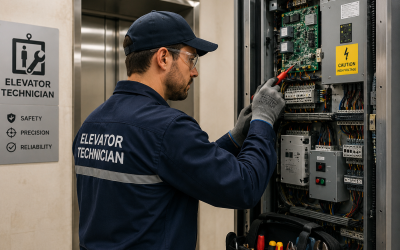
A qualified elevator repair technician does more than fix the immediate complaint. The visit typically includes a broader check of related systems to confirm nothing else is close to failing.
According to company information from Champion Elevator, repair work is performed according to local building codes and industry safety standards, with technicians addressing everything from component replacements to full system adjustments. The company also notes that every repair aims to resolve the underlying issue correctly on the first visit rather than applying a temporary fix.
Typical repair service components include:
1. Diagnostic review of the reported malfunction
2. Replacement of worn mechanical or electrical components
3. Verification testing to confirm code-compliant operation
4. Documentation for the building’s maintenance and compliance records
Buildings that pair this kind of repair work with a maintenance program tend to see fewer emergency calls over time, since technicians catch developing problems during routine visits rather than waiting for a breakdown.
Comparing Reactive Repairs to Routine Repair Programs
The difference between calling for help only after a failure and maintaining a routine repair schedule shows up clearly in downtime, cost, and passenger safety outcomes.
|
Approach |
Typical Trigger |
Passenger Safety Impact |
Downtime Pattern |
|
Reactive repair only |
Elevator stops working or traps passengers |
Higher risk of in-service failure |
Unpredictable, often longer outages |
|
Routine repair and inspection |
Scheduled intervals or early warning signs |
Lower risk; issues caught before failure |
Shorter, planned service windows |
|
Deferred maintenance |
Ignored until a violation or audit |
Elevated liability and compliance risk |
Extended shutdowns possible |
This comparison reflects general industry inspection guidance rather than figures specific to any single provider, since outcomes vary by building age, usage volume, and equipment type.
Keeping Buildings Code-Compliant Through Regular Service
Elevator codes are not static, and inspectors check equipment against current standards rather than the rules in place when a unit was installed. Repair technicians familiar with local code updates help building owners avoid violations tied to outdated components or missed safety upgrades.
Routine repair visits also generate the documentation property managers need during annual inspections, including records of parts replaced and tests performed. This paper trail matters when demonstrating due diligence to inspectors, insurers, and tenants.
Frequently Asked Questions
How often should an elevator receive repair service? Beyond the annual inspection required under federal guidance, many buildings schedule additional repair and maintenance visits based on usage volume and equipment age, since higher-traffic elevators wear down components faster.
What signs indicate an elevator needs repair rather than routine maintenance? Unusual noises, delayed door response, uneven floor leveling, or intermittent stops typically signal a repair need rather than something resolved through standard maintenance alone.
Does routine repair work reduce long-term costs? Addressing worn components early generally costs less than replacing failed systems after a breakdown, and it reduces the chance of extended downtime that disrupts building operations.
Who should perform elevator repairs? Repairs should be handled by trained, qualified elevator technicians familiar with local codes, since improperly performed work can create compliance issues or safety hazards.
Passenger safety on any elevator system depends on consistent attention to the mechanical and electrical components that keep a cab running smoothly. Building owners who treat repair work as a scheduled part of operations, rather than a reaction to a breakdown, tend to see fewer disruptions and a clearer compliance record during inspections. For buildings in the New York region seeking a full-service provider covering repair, maintenance, modernization, and inspections, View Site to review current service offerings and coverage areas.