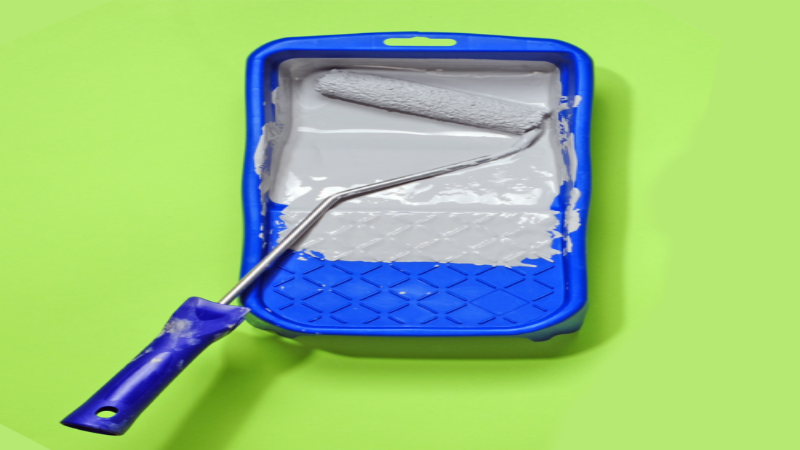
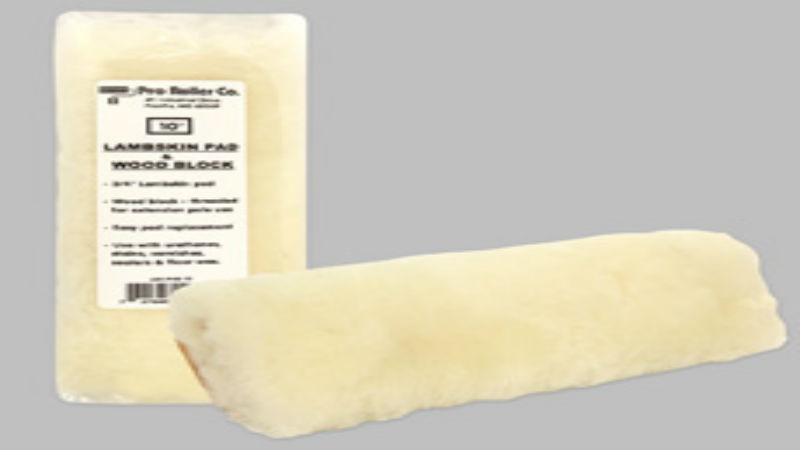
A smooth garage floor coating starts with more than careful mixing and a clean surface. The roller cover affects how evenly the coating spreads, how much texture it leaves, and whether bubbles or lint become trapped in the finish. If you’re searching online for an Epoxy roller, focus on the cover’s nap, material, and compatibility with your coating rather than choosing by price alone.
Match the nap to the floor
Nap is the thickness of the roller cover’s fibers. For a typical concrete garage floor, a short nap—often around 3/8 inch—can spread coating evenly without leaving an overly textured pattern. A very short nap may work well on especially smooth concrete, while a slightly thicker nap can help reach into lightly textured or porous areas.
Consider the floor’s actual condition before buying. Concrete with pits, ridges, or a rough profile needs more fiber to carry coating into its texture. A thick nap on a smooth surface, however, may leave an uneven stipple or hold more material than you can spread consistently. If you’re unsure, test the cover on a small, inconspicuous area or a sample panel before coating the entire floor.
Check the cover material and coating directions
Roller covers are made from different fibers and blends, and not every material performs equally well with every floor coating. Check the coating manufacturer’s application instructions for recommended cover materials and nap length. This matters particularly with two-part products, which can have specific requirements for application and working time.
Choose a cover designed to resist shedding. Loose fibers can stick in the wet finish and create visible defects. Before use, inspect the cover and remove any lint or loose fibers. Avoid covers that feel flimsy or have an uneven nap; a consistent surface helps distribute the coating more predictably.
Choose a practical width
A 9-inch roller is a useful choice for many garage floors because it covers open areas efficiently while remaining manageable. A smaller roller can be easier to control along walls, around posts, and in narrow spaces. For a large, open garage, a wider roller may cover ground faster, but only if you can keep a wet edge and apply the coating evenly.
Also check that the cover fits your frame securely. A loose fit can cause the cover to shift while rolling, making consistent application more difficult. Use an extension pole if appropriate to reduce strain and maintain a steady pace.
Apply the coating with control
Follow the product label for mixing, spreading, and recoat times. Pour or distribute the coating as directed, then roll it in manageable sections. Use light, even pressure; pressing too hard can create thin spots or force excess air into the coating. Overlap adjoining passes slightly, and work steadily so each section blends into the next while still wet.
Avoid repeatedly rolling over areas that have begun to set. This can leave marks or disturb the finish. Keep a spare cover available if the first becomes damaged or contaminated, and don’t let coating build up around the roller’s edges.
The best choice depends on your floor’s texture and the coating’s instructions. Match the nap to the concrete, select a compatible, low-shedding cover, and choose a width you can control. A test application and steady technique help turn those choices into a more even, professional-looking garage floor.