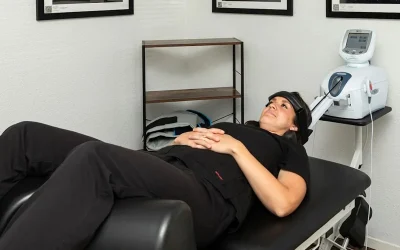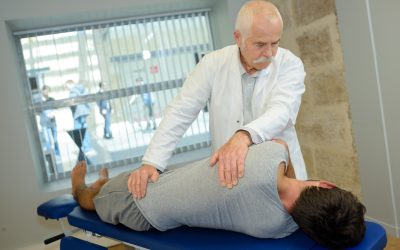
One-sided back tightness can happen when muscles, joints, nerves, or movement patterns on one side of the body are working differently than the other. A chiropractor may evaluate this type of tightness by reviewing symptoms, checking spinal motion, assessing posture, and identifying whether chiropractic treatment, a chiropractic adjustment, or spinal decompression treatment may be appropriate.
For people in Bainbridge Island, WA, one-sided back tightness may appear after sitting too long, sleeping awkwardly, lifting unevenly, driving, walking, or completing repetitive daily tasks. It may feel like a stubborn knot, a pulling sensation, a restricted area, or tightness that keeps returning even after stretching. Because one-sided symptoms can come from several sources, a careful evaluation matters before deciding on care.
Why Does Back Tightness Happen on One Side?
Back tightness often appears on one side when the body is compensating for uneven movement, joint restriction, or muscle overuse. A person may unknowingly lean more on one leg, rotate more easily in one direction, carry bags on the same shoulder, or sit with the same posture every day.
Over time, the muscles on one side may work harder to stabilize the spine. The opposite side may become less active, less mobile, or less coordinated. This can create a cycle of tightness that feels localized but is actually part of a larger movement pattern.
A chiropractor may look beyond the tight area to understand whether the cause is related to the lower back, pelvis, hips, ribs, or daily activity habits.
What Questions Might a Chiropractor Ask?
A chiropractic evaluation usually begins with a detailed conversation. The chiropractor may ask when the tightness started, where it is located, whether it stays in one area, and what activities make it better or worse.
Patients may be asked whether the tightness appears after sitting, standing, bending, lifting, sleeping, walking, or exercising. The provider may also ask about previous injuries, car accidents, surgeries, work posture, stress, and activity level.
These details help separate temporary muscle tightness from a recurring mechanical pattern. For example, tightness that appears after long drives may suggest posture or hip involvement, while tightness that worsens with bending may point toward spinal or muscle loading issues.
How Is Posture Assessed?
Posture can reveal how the body holds tension. A chiropractor may observe shoulder height, hip position, spinal curves, head position, pelvic alignment, and weight distribution.
One-sided back tightness may be linked to leaning, rotation, uneven shoulder position, or limited movement through the hips or pelvis. While posture alone does not diagnose the cause of pain, it can help identify patterns that may contribute to discomfort.
A person may look balanced while standing still but move unevenly during walking, bending, or turning. That is why posture is often assessed along with active movement.
How Does a Chiropractor Test Movement?
Movement testing may include bending forward, leaning backward, rotating, side-bending, walking, or transitioning from sitting to standing. The chiropractor may compare movement from side to side to see whether one direction feels restricted, painful, or less controlled.
They may also check joint mobility by gently assessing how the spine, pelvis, ribs, or hips move. Muscle tension, tenderness, guarding, and flexibility may also be evaluated.
If the tightness is related to joint restriction, chiropractic treatment may include a chiropractic adjustment or other hands-on techniques. If the tightness appears connected to muscle imbalance, soft tissue work or therapeutic exercise may be included.
What Role Do the Hips and Pelvis Play?
The hips and pelvis are closely connected to the lower back. If one hip moves differently than the other, the lower back may compensate. This can create one-sided tightness, especially during walking, stairs, lifting, or standing.
A chiropractor may evaluate hip mobility, pelvic motion, leg position, and walking pattern. If the pelvis is not moving evenly, one side of the back may tighten to provide stability.
This does not always mean the painful side is the true source of the issue. Sometimes the tight side is overworking because another region is not contributing enough.
Can Nerve Irritation Cause One-Sided Tightness?
Nerve irritation can sometimes create tightness, discomfort, tingling, burning, or symptoms that travel into the hip, buttock, or leg. A chiropractor may check reflexes, strength, sensation, and symptom patterns when nerve involvement is suspected.
If symptoms suggest possible disc involvement or nerve compression, spinal decompression treatment may be discussed after evaluation. Spinal decompression is not appropriate for every case, so the decision should be based on medical history, exam findings, and the patient’s symptoms.
Patients should report numbness, weakness, balance changes, or symptoms that radiate down the leg. These details may affect the recommended next step.
When Might Imaging or Referral Be Needed?
Not every case of one-sided back tightness requires imaging. Many cases can be evaluated through history, physical examination, movement testing, and response to care.
However, imaging or referral may be recommended if symptoms follow a serious injury, worsen quickly, include neurological changes, or do not match a typical musculoskeletal pattern. Medical evaluation may also be needed when back pain is accompanied by fever, unexplained weight loss, severe weakness, or changes in bladder or bowel control.
A responsible chiropractor should consider whether conservative care is appropriate before beginning treatment.
How Can Chiropractic Treatment Support Better Movement?
Chiropractic treatment may help address one-sided back tightness by improving joint motion, reducing muscle guarding, and helping the body move more evenly. A chiropractic adjustment may be used when restricted spinal joints appear to contribute to stiffness or discomfort.
Care may also include soft tissue therapy, stretching guidance, posture recommendations, and movement retraining. The goal is not simply to loosen one tight area for a short time. The goal is to identify why that side keeps tightening and what can be done to support better function.
What Can Patients Track Between Visits?
Patients can help by tracking when tightness appears, how long it lasts, what activities trigger it, and whether it moves or stays in one place. It may also help to note sitting time, sleeping position, exercise, lifting tasks, or stress levels.
This information gives the chiropractor a clearer picture of how the back responds outside the appointment. Patterns from daily life often explain why symptoms return.
Take the Next Step Toward Balanced Back Movement
One-sided back tightness can be a sign that your body is compensating, guarding, or moving unevenly. If tightness keeps returning after stretching, rest, or activity changes, a movement-focused evaluation may help clarify what is happening. For Bainbridge Island, WA residents seeking reliable back pain support, chiropractic care can provide practical insight and informed next steps.