Chronic lower back pain affects millions of adults each year and remains one of the most common reasons people seek conservative care options. Whether discomfort develops from prolonged sitting, repetitive movements, poor posture, or spinal disc issues, persistent lower back pain can interfere with daily activities, work performance, mobility, and overall quality of life.
As more individuals look for non-invasive solutions, nonsurgical spinal decompression has become an increasingly discussed option for managing spinal discomfort. Many patients searching for a chiropractor for lower back pain are exploring therapies designed to reduce pressure on the spine while supporting long-term recovery and movement.
Understanding Chronic Lower Back Pain
Lower back pain can develop gradually or suddenly depending on the underlying cause. While occasional soreness is common, chronic pain typically lasts for several weeks or longer and may worsen without proper attention.
Some of the most common contributors to chronic lower back pain include:
- Herniated or bulging discs
- Degenerative disc changes
- Muscle strain and tension
- Poor posture
- Sciatic nerve irritation
- Repetitive lifting or twisting motions
- Sedentary lifestyles
- Spinal misalignment
In many cases, spinal discs play a significant role in ongoing discomfort. These discs act as cushions between the vertebrae and help absorb movement and pressure throughout the spine. Over time, compression, injury, or wear can place stress on these structures, contributing to inflammation, stiffness, and nerve irritation.
What Is Nonsurgical Spinal Decompression?
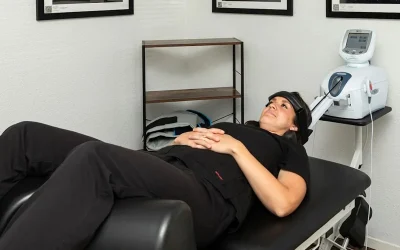
Nonsurgical spinal decompression is a therapy designed to gently stretch and decompress the spine in a controlled manner. The goal is to reduce pressure on spinal discs and surrounding nerves while encouraging improved spinal movement.
This therapy is often used by chiropractic professionals as part of a broader care plan for individuals experiencing chronic lower back discomfort, sciatica symptoms, or disc-related conditions.
Unlike surgical procedures, nonsurgical spinal decompression does not involve incisions, anesthesia, or lengthy recovery periods. Instead, the therapy focuses on gradual spinal traction that may help create space between compressed vertebrae.
Many individuals searching for a chiropractor for lower back pain are interested in conservative approaches that support mobility while avoiding invasive interventions whenever possible.
How Spinal Decompression May Help Reduce Pressure on the Spine
When spinal discs become compressed, they may place pressure on nearby nerves and tissues. This can contribute to pain, tingling sensations, stiffness, or radiating discomfort into the hips and legs.
Nonsurgical spinal decompression works by applying gentle traction to targeted areas of the spine. This controlled movement may help:
- Reduce disc pressure
- Improve spinal alignment
- Encourage nutrient exchange within spinal discs
- Relieve tension on irritated nerves
- Improve flexibility and movement
By reducing compression, the therapy may also help support the body’s natural healing processes. Some individuals report improvements in mobility and reduced discomfort over time when spinal decompression is combined with chiropractic care and lifestyle modifications.
Conditions Often Associated With Lower Back Pain
Lower back pain can present differently depending on the condition involved. A chiropractor for lower back pain may evaluate spinal function, posture, and movement patterns to determine the possible source of discomfort.
Conditions commonly associated with chronic lower back pain include:
Herniated or Bulging Discs
Disc injuries occur when the soft inner portion of a spinal disc pushes outward, placing pressure on nearby nerves. This may cause localized pain or radiating symptoms into the legs.
Sciatica
Sciatica refers to irritation of the sciatic nerve, often causing sharp or burning pain that travels from the lower back down the leg.
Degenerative Disc Changes
As spinal discs naturally age, they may lose hydration and flexibility, leading to stiffness and reduced spinal support.
Postural Strain
Poor sitting posture, prolonged desk work, and repetitive bending may increase pressure on the lower back over time.
The Role of Chiropractic Care in Lower Back Pain Management
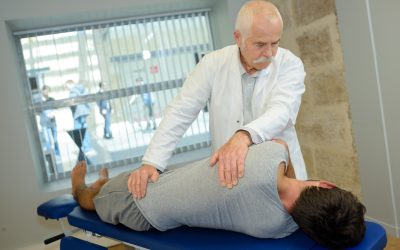
Chiropractic care often focuses on improving spinal mobility, reducing tension, and supporting nervous system function. Depending on the patient’s condition, chiropractic adjustments may be combined with decompression therapy, stretching recommendations, posture guidance, and movement-based care plans.
For individuals seeking a chiropractor for lower back pain, the goal is often to improve daily function while addressing contributing factors that may be placing stress on the spine.
In some cases, chiropractors may also recommend ergonomic changes, exercise modifications, or strengthening routines to support long-term spinal health.
Patients looking for conservative spinal care may also explore resources from a trusted family chiropractor clinic in Mt Pleasant that provides chiropractic and spinal decompression services tailored to individual mobility concerns.
Lifestyle Habits That May Contribute to Lower Back Pain
Daily habits often influence spinal health more than many people realize. Even small repetitive movements can place ongoing strain on the lower back.
Factors that may contribute to spinal stress include:
- Sitting for extended periods
- Lack of core strength
- Poor lifting mechanics
- Limited physical activity
- Repetitive bending or twisting
- Sleeping without proper spinal support
- Carrying uneven weight
Addressing these habits alongside nonsurgical spinal decompression may help improve long-term outcomes and reduce recurring discomfort.
When to Seek Professional Evaluation
Persistent lower back pain should not be ignored, especially if symptoms begin interfering with mobility, sleep, or work activities. While some cases improve with rest, others may require a more structured approach to identify underlying spinal issues.
Individuals experiencing the following symptoms may benefit from professional evaluation:
- Pain lasting several weeks
- Radiating discomfort into the legs
- Numbness or tingling
- Difficulty standing or walking
- Reduced flexibility
- Pain that worsens with sitting
A chiropractor for lower back pain may assess spinal movement, posture, and functional limitations to determine whether conservative therapies such as nonsurgical spinal decompression may be appropriate.
Supporting Long-Term Spinal Health
Managing chronic lower back pain often requires a combination of consistency, movement awareness, and supportive care strategies. While no single approach works for every individual, many people are seeking conservative therapies that focus on improving mobility and reducing spinal stress naturally.
Nonsurgical spinal decompression continues to gain attention as part of comprehensive spinal care plans designed to help individuals stay active and maintain better spinal function over time.