Mild soreness after spinal decompression therapy can occur when muscles, joints, and other tissues respond to a new form of controlled stretching and positioning. The discomfort should generally remain manageable and temporary, while sharp, spreading, or progressively worsening symptoms should be reported promptly.
What Happens During Spinal Decompression Therapy?
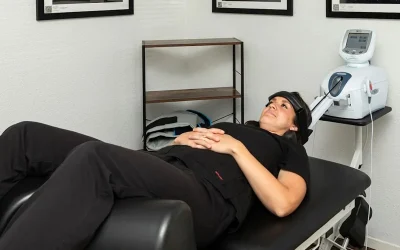
Spinal decompression therapy is a form of mechanical traction that applies controlled pulling forces to a targeted section of the spine. The patient lies on a motorized table while the equipment gradually changes the amount and direction of tension.
This approach is commonly considered for certain types of neck pain, back pain, disc-related symptoms, and nerve irritation. However, the treatment should not be applied in exactly the same way for every patient.
The spinal region being treated, the patient’s body position, the amount of traction, and the length of the session may all vary. These settings should be based on the patient’s symptoms, examination findings, medical history, and response to care.
Why Can Mild Soreness Develop After Treatment?
A decompression session changes the mechanical load placed on the spine and surrounding tissues. Muscles that have remained tense or guarded may respond to this unfamiliar movement with temporary soreness.
The sensation may be similar to the mild discomfort some people experience after beginning a new exercise or mobility routine. Muscles and connective tissues are being placed under a different type of controlled tension than they encounter during normal daily activities.
Soreness may also relate to:
- Existing muscle tension around the spine
- Prolonged positioning on the treatment table
- Sensitivity in irritated joints or soft tissues
- A treatment force that requires adjustment
- Returning to demanding activity too quickly afterward
- Receiving multiple forms of chiropractic therapy during one visit
This reaction does not necessarily mean that the treatment caused damage. However, the provider should still be informed so the response can be evaluated before the next session.
What Does Normal Post-Treatment Soreness Feel Like?
Temporary soreness is usually described as dull, achy, tight, or mildly tender. It may be felt near the treated area or in muscles that support the spine.
The discomfort should not significantly interfere with walking, sleeping, working, or other basic activities. It should also begin settling rather than becoming progressively more intense.
There is no universal timeline because patients respond differently. A person’s age, activity level, symptom severity, previous injuries, and overall health may affect how the body reacts.
Patients should avoid assuming that discomfort must be tolerated simply because they have started a spinal decompression treatment plan. A good treatment plan can be modified when the response is stronger than expected.
When Is Soreness a Reason to Contact the Provider?
A patient should contact the provider when soreness becomes more intense, lasts longer than expected, or is accompanied by new symptoms.
Warning signs may include:
- Sharp or severe pain
- New numbness or tingling
- Increasing pain that travels into an arm or leg
- New weakness in a hand, arm, foot, or leg
- Difficulty walking or maintaining balance
- Significant muscle spasms
- Symptoms that are noticeably worse after every session
These changes do not automatically mean that something serious has occurred, but they warrant reassessment. The treatment force, body position, session length, or overall care plan may need to be changed.
Immediate medical attention is important for loss of bladder or bowel control, numbness around the groin, rapidly progressing weakness, or major difficulty walking. These symptoms may indicate significant nerve involvement and should not be managed through routine decompression visits alone.
How Can a Spinal Decompression Chiropractor Respond?
A spinal decompression chiropractor should ask the patient where the soreness occurred, how intense it felt, when it began, and how long it lasted. They may also repeat parts of the physical examination to determine whether the symptoms have changed.
Possible adjustments include:
- Reducing the amount of traction
- Shortening the treatment session
- Changing the patient’s position
- Treating a different spinal level
- Allowing more recovery time between sessions
- Modifying exercises or daily activity recommendations
- Pausing decompression for further evaluation
Treatment should progress according to the patient’s response rather than following an unchanging schedule. Mild soreness may only require a small adjustment, while new neurological symptoms may require referral or additional testing.
Can Activity After Decompression Affect Soreness?
Yes. Activities performed after treatment may influence how the back or neck feels later that day.
Heavy lifting, repeated bending, prolonged sitting, intense exercise, or returning immediately to a physically demanding job may aggravate already sensitive tissues. Patients should follow the activity guidance provided during their appointment.
Gentle walking may be appropriate for some people because it encourages movement without placing excessive demand on the spine. Others may be advised to temporarily reduce a particular activity that reproduces their symptoms.
Patients should not add aggressive stretching, home traction, or self-manipulation without guidance. Combining several new treatments at once can make it difficult to determine what caused a change in symptoms.
Is Non-Surgical Spinal Decompression Appropriate for Everyone?
Non-surgical spinal decompression is not suitable for every cause of neck or back pain. A careful evaluation should take place before treatment begins.
Certain fractures, spinal instability, severe osteoporosis, infections, tumors, pregnancy, and some types of implanted hardware may affect whether decompression is appropriate. The provider should also review previous surgeries, current medications, neurological symptoms, and available imaging.
Research on traction and decompression has produced mixed findings, and outcomes vary by diagnosis and treatment protocol. It should therefore be presented as one possible part of conservative care rather than a guaranteed solution for every spinal condition.
How Should Progress Be Monitored?
Progress should be based on meaningful functional changes, not only how the patient feels immediately after a session.
Useful measures may include:
- Improved sitting or standing tolerance
- Less pain traveling into an arm or leg
- Better spinal movement
- Improved sleep
- Reduced symptom frequency
- Greater ability to complete work or household activities
A brief period of soreness does not necessarily mean treatment is failing. At the same time, repeated symptom aggravation should not be dismissed as something every patient must experience.
The provider should compare the patient’s response across several visits and modify the plan when progress is limited.
Where Can Irvine Patients Learn More About Decompression?
Patients considering treatment in Irvine, CA, should ask how they will be evaluated, which spinal area will be targeted, and how their response will be monitored. They should also understand which symptoms require a follow-up appointment or medical referral.
Lee Chiropractic provides information about spinal decompression therapy and the conditions for which they may consider it. Their approach includes an evaluation before determining whether decompression fits the patient’s needs.
Mild soreness can occur as the body responds to unfamiliar positioning and controlled traction. Clear communication with the treating provider helps ensure that the settings, treatment frequency, and broader care plan remain appropriate for the individual patient.