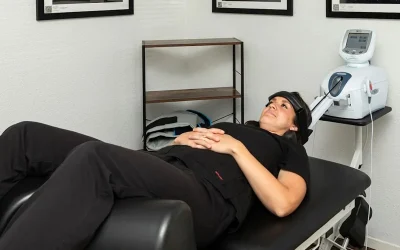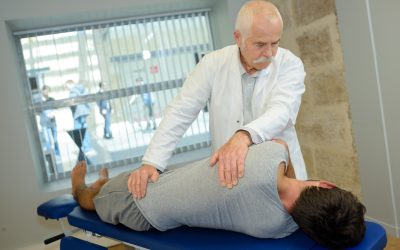
Spinal pressure can build up without immediate pain when the joints, discs, muscles, and nerves in the spine gradually adapt to stress before symptoms become obvious. Spinal Decompression Therapy and Chiropractic Care may help evaluate whether pressure, restriction, or compensation is affecting normal movement.
For many people in Garden Grove, CA, spinal discomfort does not begin with sudden sharp pain. It may start as stiffness, heaviness, reduced flexibility, pressure after sitting, or discomfort that appears only during certain movements. Because these signs can feel minor at first, they are often ignored until daily movement becomes harder.
Why Can Spinal Pressure Build Slowly?
Spinal pressure can build slowly because the spine handles stress throughout the day. Sitting, standing, driving, lifting, looking down, twisting, and sleeping positions all affect how pressure moves through the back and neck.
The body is good at adapting. If one area of the spine is irritated or restricted, nearby muscles may tighten to protect it. Other joints may move more than they should to make up for the restricted area. These changes can happen quietly before pain becomes noticeable.
Over time, the spine may feel compressed, stiff, or harder to move. A Chiropractor may evaluate whether these symptoms are connected to spinal pressure, joint restriction, muscle guarding, or nerve irritation.
Why Does Pain Sometimes Show Up Later?
Pain may show up later because irritation can develop gradually. The spine may tolerate pressure for a while, especially if the body compensates well. However, when stress continues, the tissues may become more sensitive.
A person may feel fine during work but uncomfortable later in the evening. Others may feel stiff after waking up, sitting too long, or standing after rest. These delayed symptoms can make it difficult to identify the cause.
Pain is not always the first sign of a spinal issue. Reduced movement, tightness, pressure, and recurring stiffness can also signal that the spine needs attention.
What Does Spinal Pressure Feel Like?
Spinal pressure may feel like heaviness, tightness, stiffness, or a deep ache in the back or neck. Some people describe it as feeling compressed or locked up. Others notice that they cannot move as freely as they used to.
In the neck, pressure may make turning the head, looking down, or checking blind spots uncomfortable. In the lower back, it may affect bending, standing, walking, or getting up from a chair.
When symptoms involve the neck, learning more from a Neck Chiropractor may help patients understand how spinal motion, muscle tension, and daily posture habits can contribute to discomfort. Back to Care Chiropractic provides information on conservative care options, and they focus on non-invasive support for movement and spinal function.
How Can Chiropractic Care Help Identify the Cause?
Chiropractic Care may help identify the cause of spinal pressure by evaluating how the spine and surrounding areas move together. A chiropractic evaluation may include posture review, range of motion checks, spinal mobility assessment, muscle tension evaluation, and a discussion of symptom patterns.
This is important because pressure is not always caused by one structure. It may involve restricted joints, irritated discs, tight muscles, poor movement habits, or nerve sensitivity.
A Chiropractor may also look at how symptoms change during daily movements. Bending, turning, reaching, standing, sitting, and walking can reveal how the spine responds to stress.
When May Spinal Decompression Therapy Be Considered?
Spinal Decompression Therapy may be considered when spinal pressure appears connected to disc irritation, nerve sensitivity, or compressed-feeling back or neck discomfort. It uses gentle traction to help reduce pressure through the spine.
This treatment is not used for every case of stiffness or discomfort. Some people may benefit more from joint mobility work, soft tissue support, movement guidance, or other Chiropractic Care options. The right approach depends on the person’s symptoms, health history, and evaluation findings.
Spinal Decompression Therapy is often discussed when discomfort feels deep, pressure-based, or worse after sitting, bending, or staying in one position too long.
Can Spinal Pressure Affect the Neck and Back Differently?
Yes, spinal pressure can affect the neck and back differently. Neck pressure may cause stiffness, limited turning, upper back tension, or discomfort when looking down at a phone or computer. Lower back pressure may feel more noticeable when sitting, standing, lifting, or bending.
The neck and back are connected through posture and movement patterns. For example, upper back stiffness may affect neck motion. Hip or lower back restriction may change how the spine handles standing and walking.
This is why Chiropractic Care often looks at the body as a connected system instead of treating one area in isolation.
What Signs Should Not Be Ignored?
Spinal pressure should not be ignored when it keeps returning, limits movement, or affects daily routines. It is also important to seek evaluation if symptoms spread into the arms or legs, cause numbness or tingling, create weakness, or worsen over time.
Recurring stiffness can also matter. If someone constantly feels the need to stretch, crack, adjust posture, or avoid certain movements, the body may be compensating for an underlying restriction.
Early evaluation may help identify movement problems before they become harder to manage.
What Can Help Reduce Spinal Pressure Day to Day?
Small habits may help reduce spinal pressure. Changing positions often, taking short walking breaks, keeping screens at eye level, lifting with better control, and avoiding long periods of slouched posture may reduce strain.
Gentle mobility work may also help some people, but forcing painful movement is not recommended. If pressure keeps returning, self-care may not be enough to address the cause.
Tracking when symptoms appear can help during an appointment. Noting whether discomfort happens after sitting, driving, sleeping, lifting, or turning can provide useful clues.
Pay Attention Before Pressure Becomes Pain
Spinal pressure does not always cause immediate pain, but recurring stiffness, heaviness, or limited movement can still affect daily comfort. Garden Grove residents who notice these patterns may benefit from a conservative evaluation to better understand what is happening. Learning whether Chiropractic Care, Spinal Decompression Therapy, or another care option fits the situation can support more confident movement.