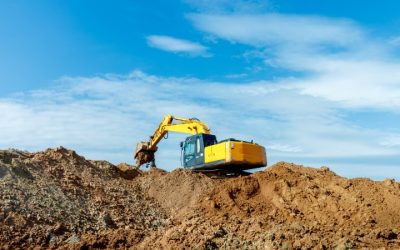
A neglected parcel often looks like a single problem from the road, but once you walk it, several smaller challenges appear. Brush can hide access points, fallen trees can block routes, and dense growth can make it difficult to understand the property’s layout. In Statesboro, land clearing can be the first practical step toward using an undeveloped or overgrown property more effectively. The work should begin with a plan for what the land needs to support afterward.
Choosing a land clearing company in Statesboro, GA, property owners can rely on starts with defining scope. A residential homesite may need a cleared building area, while a rural parcel may need access lanes or selected open spaces. Commercial property can have different requirements again. The more clearly the owner explains the intended use, the easier it is to determine where vegetation should be removed and where it can remain.
A site assessment should look beyond vegetation. Equipment access, gates, slopes, soft ground, fences, nearby structures, drainage, and property boundaries can all affect the sequence of work. These details are easier to address before machinery is on site. Marking areas to preserve and identifying the preferred entry route can also reduce confusion when the property contains multiple wooded sections or difficult-to-reach corners.
Clearing does not always mean stripping a parcel completely bare. Selective work can create usable areas while retaining mature trees, wooded borders, or other features that contribute shade and privacy. For some properties, that balance is more useful than total removal. The right approach depends on the planned use and the condition of the land, so preservation should be part of the initial discussion rather than an afterthought.
The ground becomes easier to read once vegetation is managed. Owners may notice low areas, uneven terrain, old stumps, or natural drainage paths that were previously hidden. That information can help shape the next phase of property preparation. If grading, construction, or another improvement is planned, the owner can coordinate those needs with the clearing schedule rather than assuming that clearing alone creates a finished site.
Vegetation density can change significantly across one parcel. One section may contain light brush, while another is crowded with saplings and vines. Fallen material can create a different challenge from standing growth. A contractor can organize the work according to these conditions, which is generally more practical than assuming every section requires the same treatment. A clear scope also makes it easier to discuss changes if site conditions differ from expectations.
Good preparation also considers what should happen to material after it is cut or processed. On-site mulching can reduce the volume of loose vegetation, while certain larger materials may require another handling method. Owners should understand what the clearing service is intended to accomplish and whether separate grading, hauling, or site-development work will be needed afterward.
The goal is not simply an empty parcel. It is a property that is easier to access and ready for the next decision. Vaquero Landworks approaches Statesboro clearing with that broader purpose in mind, helping owners think through usable space, access, preservation, and the condition they want at the end of the project.
Clear expectations at the beginning make the rest of the project easier to manage and easier to evaluate. Before work starts, write down the outcome that matters most, the areas that need attention, and any conditions that could change the sequence. That small amount of preparation can make later decisions simpler because everyone is working from the same understanding of the project.
The practical details matter because a good result should fit the property, process, or people involved rather than follow a generic formula. Take time to identify constraints early, especially where access, timing, information, or preservation is important. A realistic plan leaves room for normal changes while keeping the main objective clear.
A thoughtful plan also makes it easier to recognize which decisions need professional input and which can be handled during routine planning. That distinction saves time and keeps the project focused. When the important questions are identified early, conversations with a contractor, consultant, photographer, clinician, or service provider can be more specific and more useful.
Frequently Asked Questions
Can land clearing be selective?
Yes. Specific areas can be targeted while selected trees or wooded portions are retained when site conditions allow.
Is grading included in land clearing?
Clearing and grading are different services. Clearing manages vegetation and certain debris, while grading reshapes the ground surface.
Why plan the end use before clearing?
The intended use determines how much land needs to be opened, which features may be preserved, and whether additional preparation will follow.