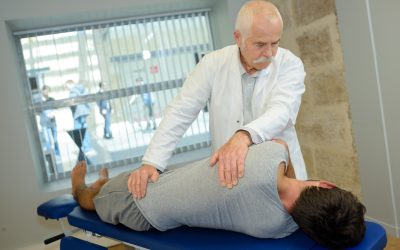
Athletes place repeated stress on their muscles, joints, and connective tissues during training, competition, and physical activity. While strength and conditioning programs often focus on improving power and endurance, muscle imbalances can quietly develop over time and increase the likelihood of sports-related injuries. These imbalances may affect posture, movement patterns, flexibility, and joint stability, making athletes more vulnerable to strain and overuse conditions.
Sports chiropractic care is often included in conservative injury management plans because it focuses on spinal alignment, joint mobility, muscular function, and movement efficiency. In Parker, CO, many physically active individuals seek chiropractic therapy and chiropractic care to help support athletic performance and reduce biomechanical stress that may contribute to recurring discomfort.
What Are Muscle Imbalances?
Muscle imbalances occur when certain muscle groups become stronger, tighter, or more active than opposing muscle groups. This imbalance can interfere with normal movement patterns and place uneven stress on joints and soft tissues.
For example, athletes who spend long periods cycling, running, or lifting may develop tight hip flexors combined with weaker glute muscles. Over time, this imbalance can alter posture, affect gait mechanics, and increase pressure on the lower back and knees.
Muscle imbalances may develop from several factors, including:
- Repetitive athletic movements
- Improper exercise form
- Previous injuries
- Poor mobility
- Sedentary work habits
- Inadequate recovery between workouts
- Limited flexibility training
Without proper attention, these issues may gradually affect athletic mechanics and increase the risk of injury during activity.
How Muscle Imbalances Affect Athletic Performance
The body relies on coordinated movement between muscles, joints, and the nervous system. When one area compensates for weakness or tightness in another, movement efficiency can decrease.
Athletes experiencing muscle imbalances may notice:
- Reduced flexibility
- Limited range of motion
- Muscle fatigue
- Poor balance
- Joint stiffness
- Decreased coordination
- Uneven posture
- Lower back discomfort
These movement limitations may place excess stress on the spine, hips, shoulders, knees, or ankles during physical activity. Over time, repetitive compensation patterns may contribute to overuse injuries and chronic discomfort.
Common Sports Injuries Linked to Muscle Imbalances
Several athletic injuries may be associated with muscular imbalance and poor movement mechanics. While every injury has different contributing factors, structural stress and muscular compensation often play a role.
Lower Back Strain
Weak core muscles combined with tight hip muscles may increase pressure on the lumbar spine. Athletes involved in running, weightlifting, or rotational sports may experience recurring lower back tension when movement mechanics become compromised.
Shoulder Overuse Injuries
Sports involving repetitive overhead movement, such as baseball, swimming, and tennis, may place additional strain on the shoulder joint when surrounding muscles become imbalanced.
Knee Stress
Muscle imbalances involving the hips, quadriceps, and hamstrings may affect knee alignment during running, jumping, or directional changes.
Neck and Upper Back Tension
Athletes participating in contact sports or repetitive training activities may develop muscular tension in the neck and upper back due to poor posture or spinal stress.
The Role of Chiropractic Therapy in Sports Injury Support
Sports chiropractic care focuses on supporting proper spinal alignment, joint function, and movement mechanics. Chiropractic therapy may be incorporated into broader wellness and recovery plans designed to address biomechanical stress associated with sports activity.
A sports chiropractor may evaluate factors such as:
- Posture
- Joint mobility
- Spinal alignment
- Movement patterns
- Muscle tightness
- Flexibility limitations
- Functional asymmetry
Chiropractic adjustments are commonly used to improve joint mobility and support healthy movement patterns. Some athletes also combine chiropractic care with stretching, corrective exercises, mobility work, and recovery-focused therapies.
Many active individuals seek conservative chiropractic care to help manage physical stress related to sports participation without relying solely on invasive procedures or extended downtime.
Why Recovery and Mobility Matter for Athletes
Athletic performance is not only influenced by strength and conditioning but also by recovery quality and mobility maintenance. Without proper recovery, muscles may remain tight or overactive, increasing the likelihood of compensation patterns.
Mobility training and recovery-focused care may help athletes maintain:
- Balanced movement patterns
- Joint flexibility
- Proper posture
- Functional strength
- Reduced muscular tension
Consistent recovery strategies may also support long-term physical performance and reduce repetitive strain on the body.
Daily Habits That May Contribute to Imbalances
Even outside of sports activity, daily routines can contribute to muscular imbalance and spinal stress. Long periods of sitting, poor workstation ergonomics, and limited stretching may gradually affect posture and movement efficiency.
Athletes who combine intense physical training with prolonged sedentary habits may experience additional stress on the hips, spine, and shoulders. Addressing these contributing factors may help support more balanced movement during sports and exercise.
Understanding Long-Term Athletic Health
Sports injuries are often associated with sudden events, but many develop gradually due to repetitive stress and movement dysfunction. Muscle imbalances may not always produce immediate symptoms, yet they can influence athletic mechanics over time.
Conservative approaches such as chiropractic care, flexibility training, mobility exercises, and movement evaluations may help athletes better understand the physical demands placed on their bodies.
Athletes in Parker, CO looking for conservative support options often explore care from a trusted sports chiropractor in Parker, CO as part of their long-term wellness and injury management strategies.
Improve Movement Efficiency Before Minor Imbalances Become Larger Problems
Muscle tightness, movement restrictions, and repetitive stress may gradually affect athletic performance and increase physical strain during activity. Conservative chiropractic therapy and mobility-focused care may help support spinal alignment, joint function, and overall movement quality before compensation patterns become more difficult to manage. Learning more about movement-focused care options may help active individuals support long-term physical wellness and recovery goals.